Artificial Fruit Flavor
Auto-generated content. This description was generated automatically and is pending editorial review. Inaccuracies are possible. Found a mistake? Contact us.
What it is
Artificial fruit flavors are compounds created in a lab to mimic the taste and smell of fruits. They are made from a variety of chemical substances, including natural and synthetic components, that are carefully blended to achieve a specific fruit profile.
Why it's used
Manufacturers use artificial fruit flavors to enhance or create fruit tastes in foods where real fruit may not be present or in sufficient quantity. They are commonly found in candies, baked goods, beverages, and breakfast cereals to provide a consistent and appealing flavor experience.
Health notes
In the U.S., artificial flavors are regulated by the FDA. Many artificial flavor ingredients are considered Generally Recognized As Safe (GRAS) or are approved food additives. International bodies like JECFA and EFSA have also evaluated many flavor substances. While generally considered safe at typical consumption levels, some individuals may report sensitivities to artificial flavors. Research into the long-term health effects of consuming complex mixtures of artificial flavors is ongoing.
Allergen info
Artificial fruit flavors are not derived from any of the nine major allergens recognized by the FDA. They do not contain gluten.
Products containing Artificial Fruit Flavor
Compare products →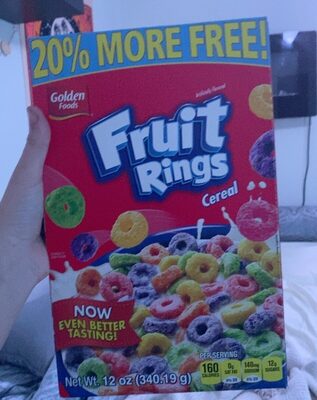 GS1 Mexico
Fruit Rings Flavored Cereal, Fruit Rings
High in added sugars — 24% DV per serving
400kcal
7.5Protein
2.5Fat
85Carbs
GS1 Mexico
Fruit Ring Cereal
400kcal
6.7Protein
3.3Fat
83.3Carbs
Transnational Foods, Inc.
Pampa, Fruity Wheels
400kcal
6.7Protein
3.3Fat
83.3Carbs
GS1 Mexico
Fruit Rings Cereal, Fruit Rings
High in added sugars — 24% DV per serving
400kcal
7.5Protein
2.5Fat
85Carbs
Boyang Trading Co., Ltd
Fruit Flavored Squeezable Jellies, Fruit
25kcal
0Protein
0Fat
5Carbs
GS1 Mexico
Fruit Rings Flavored Cereal, Fruit Rings
High in added sugars — 24% DV per serving
400kcal
7.5Protein
2.5Fat
85Carbs
GS1 Mexico
Fruit Ring Cereal
400kcal
6.7Protein
3.3Fat
83.3Carbs
Transnational Foods, Inc.
Pampa, Fruity Wheels
400kcal
6.7Protein
3.3Fat
83.3Carbs
GS1 Mexico
Fruit Rings Cereal, Fruit Rings
High in added sugars — 24% DV per serving
400kcal
7.5Protein
2.5Fat
85Carbs
Boyang Trading Co., Ltd
Fruit Flavored Squeezable Jellies, Fruit
25kcal
0Protein
0Fat
5Carbs
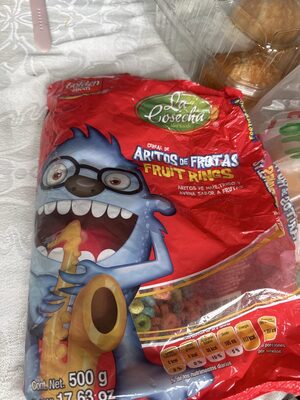 Fruit Rings Cereal, Fruit Rings
High in added sugars — 24% DV per serving
400kcal
7.5Protein
2.5Fat
85Carbs
Fruit Rings Cereal, Fruit Rings
High in added sugars — 24% DV per serving
400kcal
7.5Protein
2.5Fat
85Carbs