Artificial Yellow Color
Auto-generated content. This description was generated automatically and is pending editorial review. Inaccuracies are possible. Found a mistake? Contact us.
What it is
Artificial yellow color refers to synthetic dyes created in a laboratory to impart a yellow hue to food products. These dyes are typically derived from petroleum and include specific colors like Yellow 5 (Tartrazine) and Yellow 6 (Sunset Yellow FCF).
Why it's used
Manufacturers add artificial yellow color to make foods visually appealing and to ensure consistent color across batches. It is commonly found in candies, baked goods, beverages, snack foods, and processed desserts.
Health notes
In the United States, artificial yellow colors, such as Yellow 5 and Yellow 6, are approved by the Food and Drug Administration (FDA) as color additives. The FDA announced in April 2025 a plan to phase out petroleum-based synthetic dyes, which includes Yellow 5 and Yellow 6, from food products. Concerns have been raised regarding a potential link between artificial food colors and hyperactivity in some children. Reviews of scientific evidence, including by the European Food Safety Authority (EFSA), have shown mixed results, with some studies suggesting a link in sensitive individuals, while others do not find a consistent effect across the general population. The Joint FAO/WHO Expert Committee on Food Additives (JECFA) has evaluated these dyes and set acceptable daily intakes.
Allergen info
Not a major allergen.
Products containing Artificial Yellow Color
Compare products →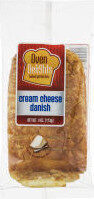 International Delights
Danish, Cream Cheese
High in sodium — 25% DV per serving
High in saturated fat — 50% DV per serving
372kcal
6.2Protein
18.6Fat
44.2Carbs
International Delights
Danish, Cream Cheese
High in sodium — 25% DV per serving
High in saturated fat — 50% DV per serving
372kcal
6.2Protein
18.6Fat
44.2Carbs
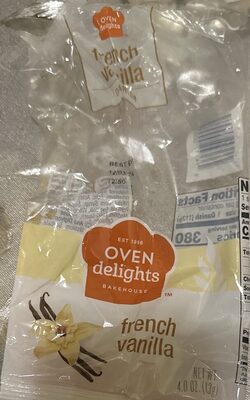 International Delights
Danish, French Vanilla
High in sodium — 25% DV per serving
High in saturated fat — 45% DV per serving
372kcal
6.2Protein
18.6Fat
45.1Carbs
Big L Brands, Inc.
Beer Cake Mix, Ooh La Lemon
400kcal
2.9Protein
5.7Fat
82.9Carbs
International Delights
Danish, French Vanilla
High in sodium — 25% DV per serving
High in saturated fat — 45% DV per serving
372kcal
6.2Protein
18.6Fat
45.1Carbs
Big L Brands, Inc.
Beer Cake Mix, Ooh La Lemon
400kcal
2.9Protein
5.7Fat
82.9Carbs
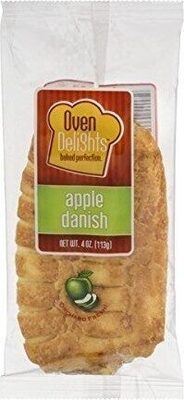 International Delights
Danish, Apple
High in sodium — 23% DV per serving
High in saturated fat — 35% DV per serving
336kcal
5.3Protein
15.0Fat
45.1Carbs
Caribbean Products, Ltd.
Jamaican Style Oven-Baked Crust Chicken Turnover
High in sodium — 25% DV per serving
High in saturated fat — 40% DV per serving
266kcal
9.4Protein
13.3Fat
26.6Carbs
Caribbean Products, Ltd.
Jamaican Style Spicy Beef
High in sodium — 24% DV per serving
High in saturated fat — 50% DV per serving
305kcal
9.4Protein
17.2Fat
26.6Carbs
International Delights
Danish, Apple
High in sodium — 23% DV per serving
High in saturated fat — 35% DV per serving
336kcal
5.3Protein
15.0Fat
45.1Carbs
Caribbean Products, Ltd.
Jamaican Style Oven-Baked Crust Chicken Turnover
High in sodium — 25% DV per serving
High in saturated fat — 40% DV per serving
266kcal
9.4Protein
13.3Fat
26.6Carbs
Caribbean Products, Ltd.
Jamaican Style Spicy Beef
High in sodium — 24% DV per serving
High in saturated fat — 50% DV per serving
305kcal
9.4Protein
17.2Fat
26.6Carbs
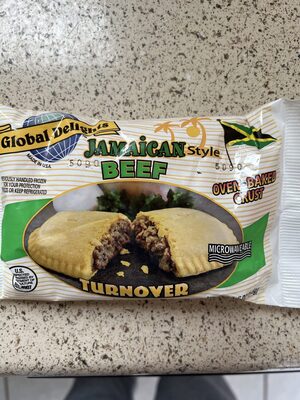 Caribbean Products, Ltd.
Jamaican Style Beef Turnover
High in sodium — 23% DV per serving
High in saturated fat — 50% DV per serving
305kcal
9.4Protein
17.2Fat
26.6Carbs
Caribbean Products, Ltd.
Jamaican Style Beef Turnover
High in sodium — 23% DV per serving
High in saturated fat — 50% DV per serving
305kcal
9.4Protein
17.2Fat
26.6Carbs