Arugula
Auto-generated content. This description was generated automatically and is pending editorial review. Inaccuracies are possible. Found a mistake? Contact us.
What it is
Arugula is a leafy green vegetable with a peppery, slightly bitter taste. It is native to the Mediterranean region and is now cultivated worldwide. It is typically sold fresh in bags or containers, often labeled as 'roquette' or 'rocket'.
Why it's used
Arugula is primarily used as a fresh ingredient, adding a distinctive flavor to salads, sandwiches, and pizzas. Its peppery notes complement a variety of dishes, from pasta to grilled meats. It is not typically added by manufacturers for a specific functional purpose like preservation or emulsification.
Health notes
Arugula is a nutrient-dense food, rich in vitamins A, C, and K, as well as folate and minerals. It is not a regulated food additive. The FDA does not have specific regulations for arugula as a food ingredient beyond its classification as a fresh vegetable. International bodies like EFSA have not evaluated arugula as a food additive. No significant health controversies are associated with its consumption at typical dietary levels.
Allergen info
Arugula is not one of the nine major allergens identified by the FDA. It does not contain gluten.
Products containing Arugula
Compare products →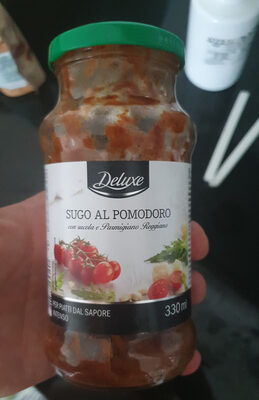 PREFERRED SELECTION
Tomato Sauce With Arugula And Parmigiana Reggiano Cheese, Rucola & Parmigiano Reggiano
High in sodium — 27% DV per serving
88kcal
2.4Protein
4.8Fat
8.8Carbs
PREFERRED SELECTION
Tomato Sauce With Arugula And Parmigiana Reggiano Cheese, Rucola & Parmigiano Reggiano
High in sodium — 27% DV per serving
88kcal
2.4Protein
4.8Fat
8.8Carbs
 LITTLE SALAD BAR
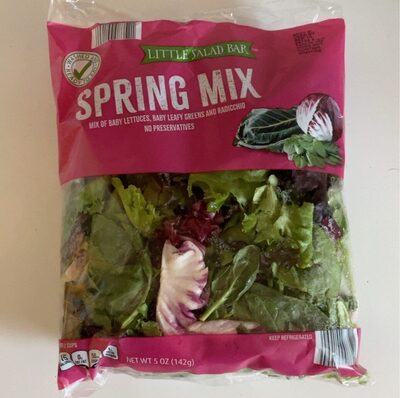
Mix Of Baby Lettuces, Baby Leafy Greens And Radicchio Spring Mix
18kcal
2.4Protein
0Fat
3.5Carbs
LITTLE SALAD BAR
Mix Of Baby Lettuces, Baby Leafy Greens And Radicchio Spring Mix
18kcal
2.4Protein
0Fat
3.5Carbs
 LITTLE SALAD BAR
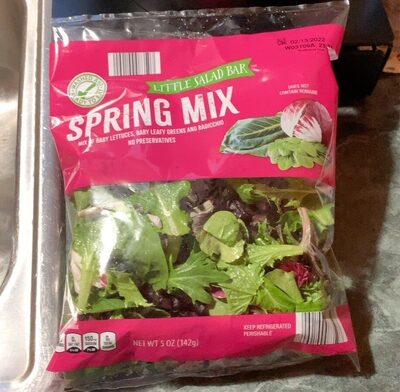
Spring Mix Of Baby Lettuces, Baby Leafy Greens And Radicchio
25kcal
2.1Protein
0Fat
4.2Carbs
LITTLE SALAD BAR
Spring Mix Of Baby Lettuces, Baby Leafy Greens And Radicchio
25kcal
2.1Protein
0Fat
4.2Carbs
 LITTLE SALAD BAR
Spring Mix Of Baby Lettuces, Baby Leafy Greens And Radicchio, Spring Mix
24kcal
2.4Protein
0Fat
3.5Carbs
LITTLE SALAD BAR
Spring Mix Of Baby Lettuces, Baby Leafy Greens And Radicchio, Spring Mix
24kcal
2.4Protein
0Fat
3.5Carbs