Ascorbid Acid
What is Ascorbid Acid?
Ascorbic acid is a form of vitamin C, an essential nutrient for human health. It occurs naturally in many fruits and vegetables. It is typically manufactured commercially through a process involving the fermentation of glucose, often derived from corn.
Is Ascorbid Acid vegan?
Ascorbid Acid is not animal-derived. Products that contain it can still include other animal-derived ingredients, so check the full ingredient list.
Is Ascorbid Acid gluten-free?
Ascorbic acid is not a major allergen and does not contain gluten.
What is Ascorbid Acid used for?
Ascorbic acid is commonly added to foods as an antioxidant to prevent spoilage and maintain color.
Is Ascorbid Acid safe?
Ascorbic acid is recognized as safe (GRAS) by the FDA when used as a nutrient or food additive.
Why it's used
Ascorbic acid is commonly added to foods as an antioxidant to prevent spoilage and maintain color. It also acts as an acidity regulator and a nutrient enhancer. You can find it in baked goods, processed fruits, beverages, and cured meats.
Health notes
Ascorbic acid is recognized as safe (GRAS) by the FDA when used as a nutrient or food additive. It is an essential vitamin, and while high doses can cause digestive upset, typical dietary intake is considered safe. JECFA and EFSA have evaluated ascorbic acid and found it safe for consumption. There is no significant controversy regarding its safety at typical intake levels.
Allergen info
Ascorbic acid is not a major allergen and does not contain gluten. It is not derived from any of the nine major allergens.
Foods that contain Ascorbid Acid
Compare products →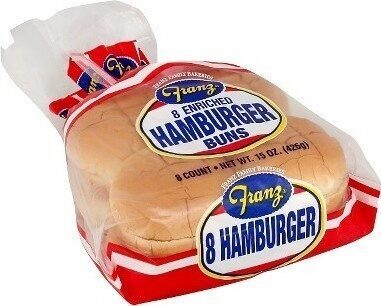 United States Bakery
Enriched Classic Hamburger Buns
264kcal
7.5Protein
3.8Fat
49.1Carbs
United States Bakery
Enriched Classic Hamburger Buns
264kcal
7.5Protein
3.8Fat
49.1Carbs
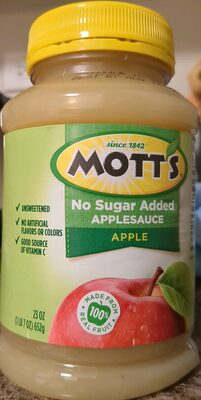 Mott's LLP
Unsweetened Applesauce, Apple
41kcal
0Protein
0Fat
11.4Carbs
Mott's LLP
Unsweetened Applesauce, Apple
41kcal
0Protein
0Fat
11.4Carbs
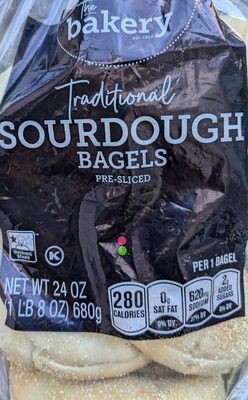 Ahold USA, Inc.
Traditional Sourdough Pre-Sliced Bagels, Traditional Sourdough
High in sodium — 27% DV per serving
248kcal
8.8Protein
0.9Fat
52.2Carbs
Ahold USA, Inc.
Traditional Sourdough Pre-Sliced Bagels, Traditional Sourdough
High in sodium — 27% DV per serving
248kcal
8.8Protein
0.9Fat
52.2Carbs
Learn more
Auto-generated content. This description was generated automatically and is pending editorial review. Inaccuracies are possible. Found a mistake? Contact us.