At Least 20% Fair Trade Certified Ingredients
What is At Least 20% Fair Trade Certified Ingredients?
This label indicates that at least 20% of the ingredients in the product are certified to meet Fair Trade standards. Fair Trade certification ensures that farmers and workers receive fair wages and work under safe conditions, and that environmental practices are considered. The specific ingredients that are Fair Trade Certified can vary by product.
Is At Least 20% Fair Trade Certified Ingredients a major allergen?
Not a major allergen.
What is At Least 20% Fair Trade Certified Ingredients used for?
This is not an ingredient itself but a certification label that applies to the ingredients within a food product.
Is At Least 20% Fair Trade Certified Ingredients safe?
Fair Trade certification is a social and economic standard, not directly related to health or nutrition.
Why it's used
This is not an ingredient itself but a certification label that applies to the ingredients within a food product. It is often found on products where sourcing and ethical production are important to consumers, such as chocolate, coffee, and grains. It signals to consumers that the product has met certain social, economic, and environmental standards.
Health notes
Fair Trade certification is a social and economic standard, not directly related to health or nutrition. It does not involve FDA approval as a food additive or GRAS status, as it is a label for sourcing practices. The health implications of a product are determined by its individual ingredients and nutritional content, not by its Fair Trade status. Consumers may choose Fair Trade products based on ethical considerations rather than direct health benefits.
Allergen info
Not a major allergen. The Fair Trade certification itself does not indicate the presence or absence of major allergens. Allergens would be listed separately based on the individual ingredients.
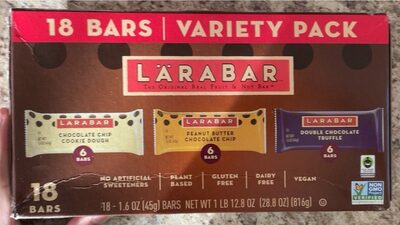
Foods that contain At Least 20% Fair Trade Certified Ingredients
Compare products →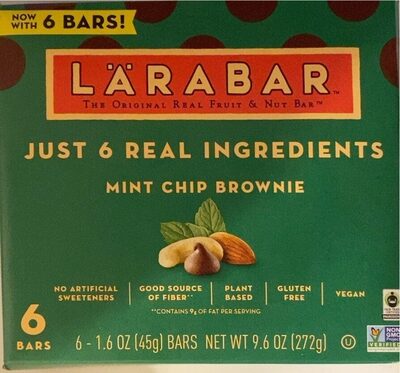
Auto-generated content. This description was generated automatically and is pending editorial review. Inaccuracies are possible. Found a mistake? Contact us.