Bagel
What is Bagel?
A bagel is a type of bread product, traditionally shaped into a ring. It is made from a yeasted wheat dough that is first boiled in water and then baked, giving it a chewy texture and a distinctive crust. Bagels originated in Jewish communities in Poland and are now popular worldwide.
Is Bagel a major allergen?
Bagels are typically made from wheat flour, which is one of the 9 major FDA allergens.
What is Bagel used for?
Bagels are primarily used as a base for sandwiches or as a standalone bread product.
Is Bagel safe?
Bagels are a common food item and are not regulated as a food additive by the FDA.
Why it's used
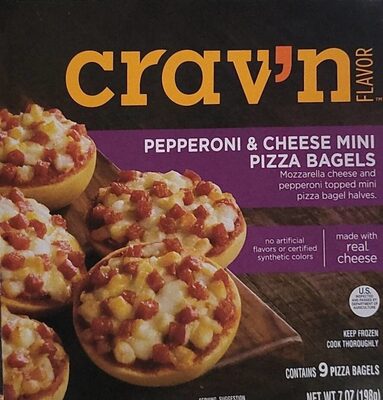
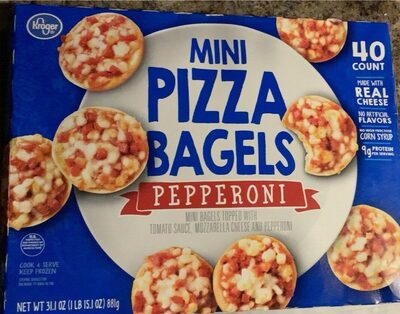
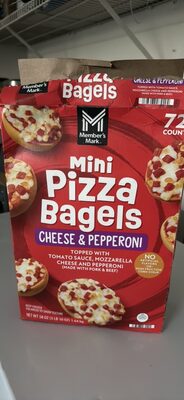
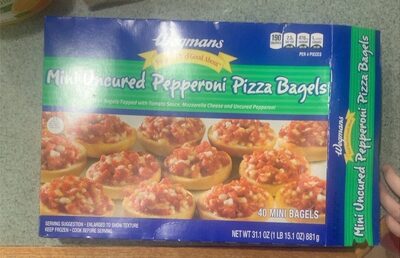
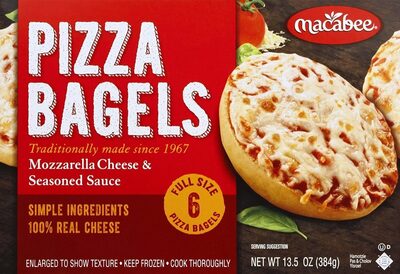
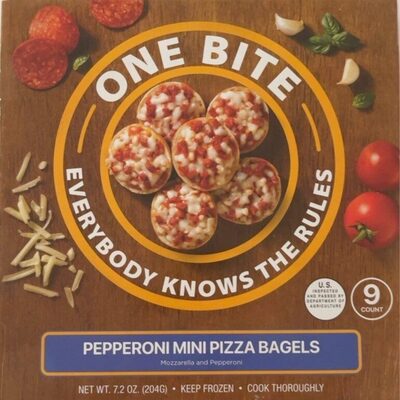
Bagels are primarily used as a base for sandwiches or as a standalone bread product. In packaged foods, they often serve as the foundation for frozen appetizers like mini pizza bagels or stuffed bagels, providing a substantial grain component.
Health notes
Bagels are a common food item and are not regulated as a food additive by the FDA. As a grain-based product, their nutritional impact depends on the type of flour used (e.g., whole wheat vs. refined), as well as any added sugars, fats, or toppings. JECFA and EFSA do not evaluate whole food items like bagels for safety in the same way they evaluate food additives.
Allergen info
Bagels are typically made from wheat flour, which is one of the 9 major FDA allergens. Some recipes may also contain other major allergens like milk or eggs.
Foods that contain Bagel
Compare products →



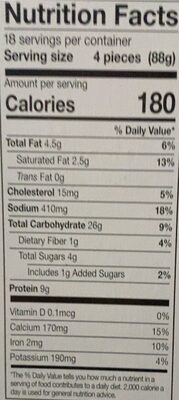
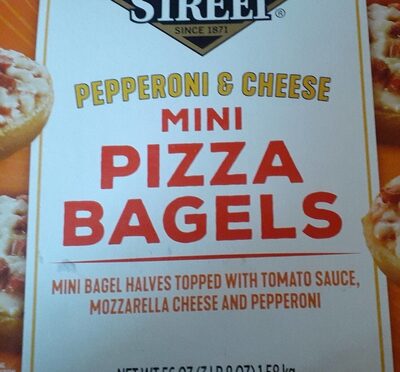

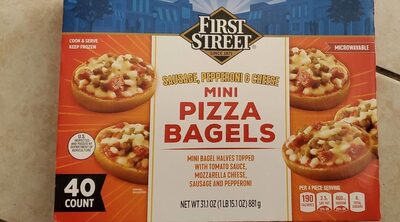
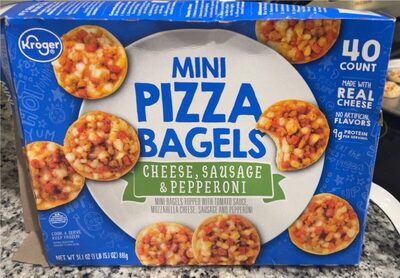





Learn more
Auto-generated content. This description was generated automatically and is pending editorial review. Inaccuracies are possible. Found a mistake? Contact us.