Baking Powder: Sodium Bicarbonate
What is Baking Powder: Sodium Bicarbonate?
Sodium bicarbonate, also known as baking soda, is a white crystalline powder that is a salt of carbonic acid. It is a naturally occurring mineral, but most of the sodium bicarbonate used in food is manufactured. It is produced by reacting sodium carbonate with carbon dioxide and water.
Is Baking Powder: Sodium Bicarbonate vegan?
Baking Powder: Sodium Bicarbonate is not animal-derived. Products that contain it can still include other animal-derived ingredients, so check the full ingredient list.
Is Baking Powder: Sodium Bicarbonate a major allergen?
Not a major allergen.
What is Baking Powder: Sodium Bicarbonate used for?
Sodium bicarbonate is primarily used as a leavening agent in baked goods.
Is Baking Powder: Sodium Bicarbonate safe?
Sodium bicarbonate is generally recognized as safe (GRAS) by the U.S. Food and Drug Administration (FDA) for use as a food ingredient.
Why it's used
Sodium bicarbonate is primarily used as a leavening agent in baked goods. When heated or combined with an acid, it releases carbon dioxide gas, causing doughs and batters to rise. It is found in cookies, biscuits, cakes, and breads, as well as in some snack foods.
Health notes
Sodium bicarbonate is generally recognized as safe (GRAS) by the U.S. Food and Drug Administration (FDA) for use as a food ingredient. It is also used as an antacid to relieve heartburn and indigestion. JECFA and EFSA have evaluated sodium bicarbonate. At typical dietary intakes, it is not associated with adverse health effects. High intakes, however, can cause gastrointestinal upset.
Allergen info
Not a major allergen.
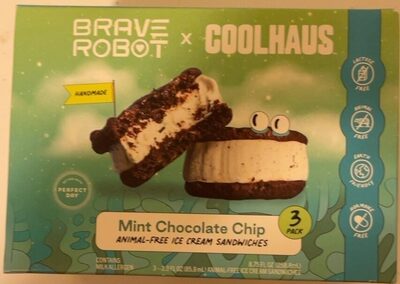
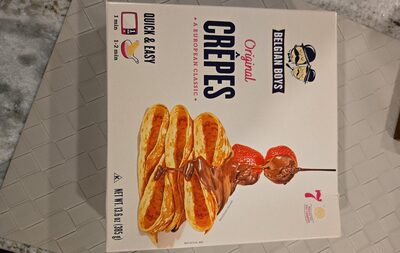
Foods that contain Baking Powder: Sodium Bicarbonate
Compare products →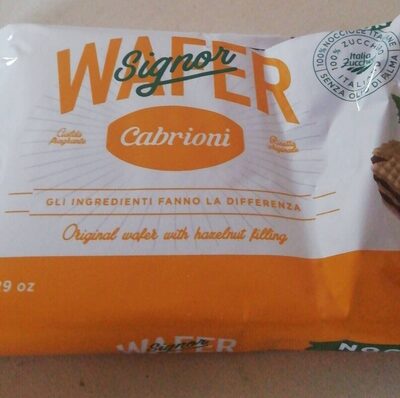
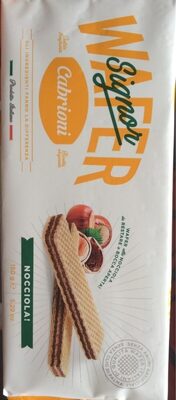

Auto-generated content. This description was generated automatically and is pending editorial review. Inaccuracies are possible. Found a mistake? Contact us.