Barley And Rice Protein
What is Barley And Rice Protein?
Barley and rice protein is a blend of proteins derived from barley and rice grains. It is produced by isolating the protein content from these grains, often through processes like milling and extraction.
Is Barley And Rice Protein vegan?
Barley And Rice Protein is not animal-derived. Products that contain it can still include other animal-derived ingredients, so check the full ingredient list.
Is Barley And Rice Protein gluten-free?
Barley is a source of gluten, which is a protein found in wheat, barley, and rye.
What is Barley And Rice Protein used for?
Manufacturers add barley and rice protein to foods to boost their protein content, particularly in plant-based products.
Is Barley And Rice Protein safe?
Barley and rice protein are generally recognized as safe (GRAS) by the FDA for use in food.
Why it's used
Manufacturers add barley and rice protein to foods to boost their protein content, particularly in plant-based products. It is commonly found in plant-based milk alternatives, protein powders, and some baked goods.
Health notes
Barley and rice protein are generally recognized as safe (GRAS) by the FDA for use in food. They are a source of plant-based protein, which is part of a healthy diet. International bodies like JECFA have evaluated various food proteins, but specific evaluations for this blend are not widely cited. As with any food ingredient, excessive intake is not recommended.
Allergen info
Barley is a source of gluten, which is a protein found in wheat, barley, and rye. While not one of the top 9 major allergens, gluten can cause adverse reactions in individuals with celiac disease or gluten sensitivity.
Foods that contain Barley And Rice Protein
Compare products →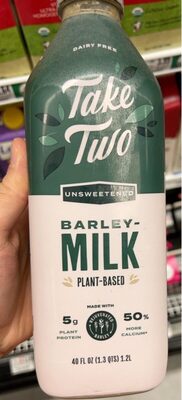 Take Two
Unsweetened Plant-Based Barley-Milk, Unsweetened
29kcal
2.1Protein
2.1Fat
1.2Carbs
Take Two
Unsweetened Plant-Based Barley-Milk, Unsweetened
29kcal
2.1Protein
2.1Fat
1.2Carbs
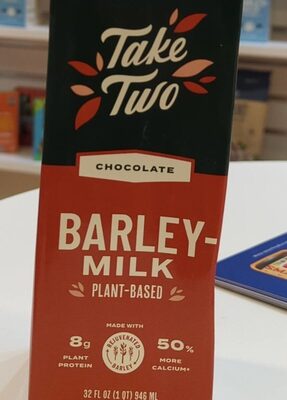 Take Two
Chocolate Plant-Based Barleymilk, Chocolate
High in added sugars — 24% DV per serving
58kcal
3.3Protein
2.1Fat
7.1Carbs
Take Two
Chocolate Plant-Based Barleymilk, Chocolate
High in added sugars — 24% DV per serving
58kcal
3.3Protein
2.1Fat
7.1Carbs
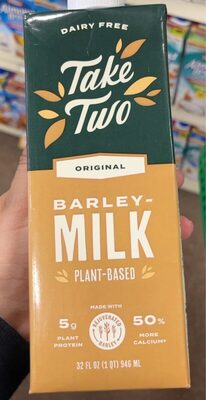 Take Two
Original Plant-Based Barleymilk
38kcal
2.1Protein
1.9Fat
2.9Carbs
Take Two
Original Plant-Based Barleymilk
38kcal
2.1Protein
1.9Fat
2.9Carbs
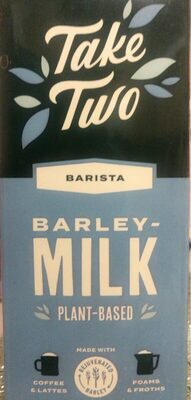 Take Two
Barista Barley-Milk, Barista
46kcal
1.2Protein
2.9Fat
3.8Carbs
Take Two
Barista Barley-Milk, Barista
46kcal
1.2Protein
2.9Fat
3.8Carbs
Learn more
Auto-generated content. This description was generated automatically and is pending editorial review. Inaccuracies are possible. Found a mistake? Contact us.