Bee Propolis Extract
What is Bee Propolis Extract?
Bee propolis extract is a resinous mixture that honey bees produce by mixing saliva and beeswax with exudate gathered from tree buds, sap flows, or other botanical sources. It is used as a sealant for unwanted open spaces in the hive. The bees use it to protect the hive from external agents and to maintain its hygiene.
Is Bee Propolis Extract vegan?
No. Bee Propolis Extract is animal-derived, so it is not vegan.
Is Bee Propolis Extract gluten-free?
It does not contain gluten.
Is Bee Propolis Extract a major allergen?
Bee propolis extract is not derived from any of the nine major allergens recognized by the FDA.
What is Bee Propolis Extract used for?
Bee propolis extract is sometimes added to foods as a functional ingredient, often marketed for its potential immune-supportive properties.
Is Bee Propolis Extract safe?
Bee propolis extract is not a regulated food additive by the FDA, nor is it generally recognized as safe (GRAS).
Why it's used
Bee propolis extract is sometimes added to foods as a functional ingredient, often marketed for its potential immune-supportive properties. It is most commonly found in products like honey, nut butters, and supplements. Manufacturers may include it to enhance the perceived health benefits of a product.
Health notes
Bee propolis extract is not a regulated food additive by the FDA, nor is it generally recognized as safe (GRAS). Information on its health effects at typical dietary intake levels is limited. International bodies like EFSA have not established specific regulations or evaluations for its use as a food ingredient. Some studies suggest potential antioxidant and anti-inflammatory properties, but more research is needed to confirm these effects and determine safe intake levels.
Allergen info
Bee propolis extract is not derived from any of the nine major allergens recognized by the FDA. It does not contain gluten.
Foods that contain Bee Propolis Extract
Compare products →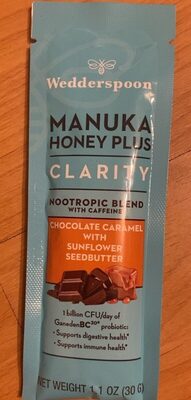
Auto-generated content. This description was generated automatically and is pending editorial review. Inaccuracies are possible. Found a mistake? Contact us.