Sunflower Seed Paste
What is Sunflower Seed Paste?
Sunflower seed paste is made from ground sunflower seeds. It is a smooth, creamy spread that retains the natural flavor of sunflower seeds. The process involves roasting the seeds and then grinding them until they form a paste.
Is Sunflower Seed Paste vegan?
Sunflower Seed Paste is not animal-derived. Products that contain it can still include other animal-derived ingredients, so check the full ingredient list.
Is Sunflower Seed Paste gluten-free?
Sunflower seed paste is naturally gluten-free.
Is Sunflower Seed Paste a major allergen?
Sunflower seeds are not one of the nine major allergens identified by the FDA.
What is Sunflower Seed Paste used for?
Sunflower seed paste is used as a spread, similar to peanut butter, and as an ingredient in baked goods, sauces, and dressings.
Is Sunflower Seed Paste safe?
Sunflower seed paste is generally recognized as safe (GRAS) by the FDA.
Why it's used
Sunflower seed paste is used as a spread, similar to peanut butter, and as an ingredient in baked goods, sauces, and dressings. Manufacturers use it to add a nutty flavor, healthy fats, and a creamy texture to products. It is often found in nut-free or vegan food items.
Health notes
Sunflower seed paste is generally recognized as safe (GRAS) by the FDA. It is a source of healthy fats, protein, and various vitamins and minerals. The Joint FAO/WHO Expert Committee on Food Additives (JECFA) has evaluated sunflower seed oil, which is derived from the same seeds, and established an acceptable daily intake. Evidence does not suggest adverse health effects from typical consumption.
Allergen info
Sunflower seeds are not one of the nine major allergens identified by the FDA. They are not derived from any of these major allergens. Sunflower seed paste is naturally gluten-free.
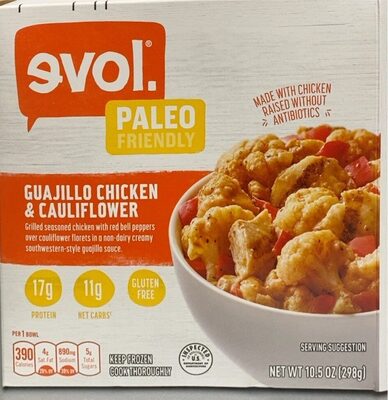
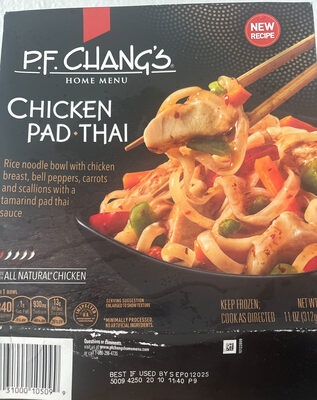
Foods that contain Sunflower Seed Paste
Compare products →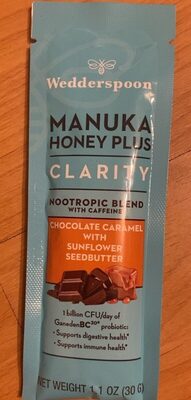
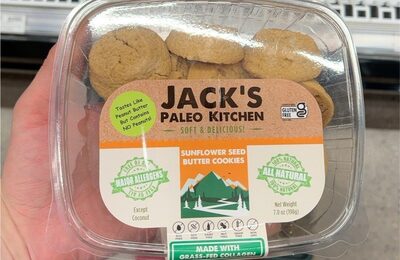
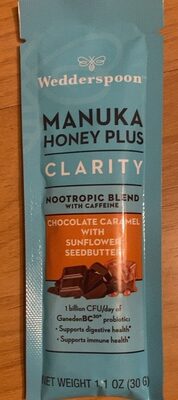
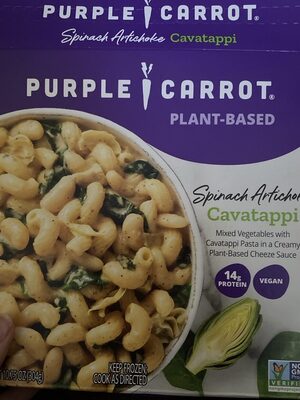
Learn more
Auto-generated content. This description was generated automatically and is pending editorial review. Inaccuracies are possible. Found a mistake? Contact us.