Beef Collagen Casing
What is Beef Collagen Casing?
Beef collagen casings are made from the collagen found in the connective tissues of cattle. This collagen is processed and formed into a tube shape, which is then dried and can be filled with meat mixtures for sausages and hot dogs.
Is Beef Collagen Casing vegan?
No. Beef Collagen Casing is animal-derived, so it is not vegan.
Is Beef Collagen Casing gluten-free?
They do not contain gluten.
Is Beef Collagen Casing a major allergen?
Beef collagen casings are derived from beef, which is not one of the nine FDA major allergens.
What is Beef Collagen Casing used for?
Manufacturers use beef collagen casings to provide a consistent shape and a pleasant 'snap' when bitten into.
Is Beef Collagen Casing safe?
Beef collagen casings are generally recognized as safe (GRAS) by the FDA for use in food.
Why it's used
Manufacturers use beef collagen casings to provide a consistent shape and a pleasant 'snap' when bitten into. They are commonly found in sausages, hot dogs, and other processed meat products where a defined casing is desired.
Health notes
Beef collagen casings are generally recognized as safe (GRAS) by the FDA for use in food. They are primarily composed of protein and are digested like other food proteins. International bodies like JECFA have evaluated collagen, and it is not associated with significant health concerns at typical consumption levels. No major controversies exist regarding their use.
Allergen info
Beef collagen casings are derived from beef, which is not one of the nine FDA major allergens. They do not contain gluten.
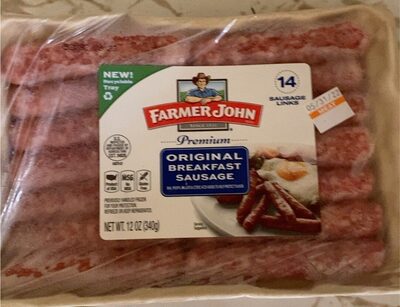
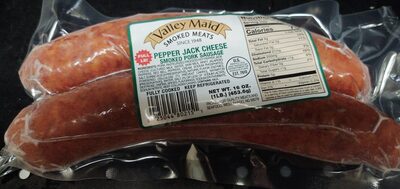
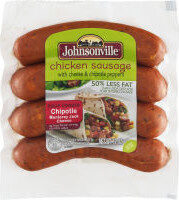
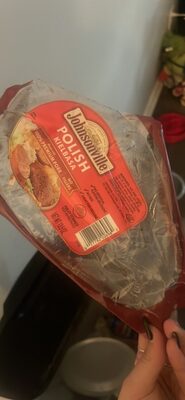
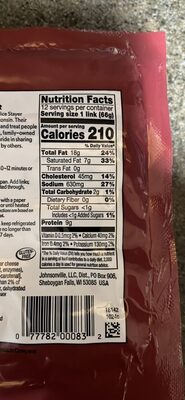
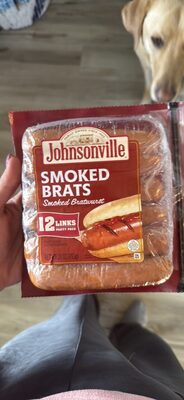
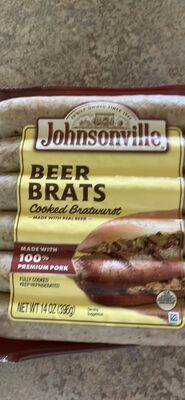
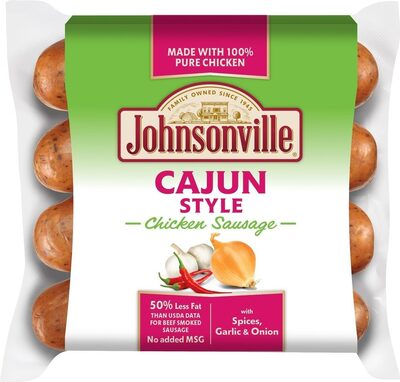
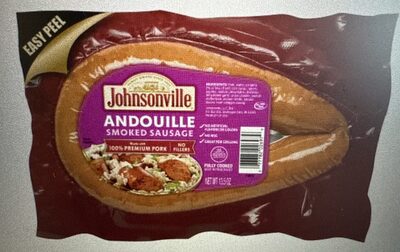
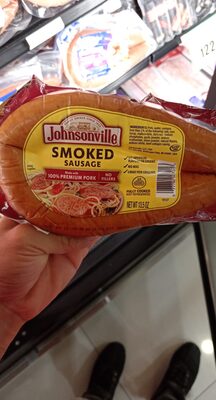
Foods that contain Beef Collagen Casing
Compare products →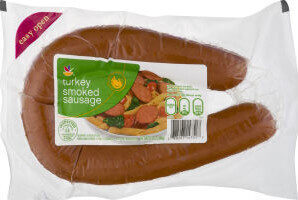 Ahold
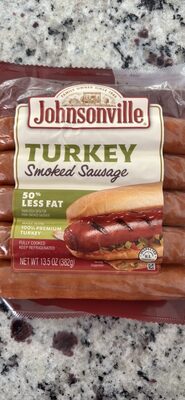
Turkey Smoked Sausage
High in sodium — 22% DV per serving
196kcal
14.3Protein
10.7Fat
8.9Carbs
Auto-generated content. This description was generated automatically and is pending editorial review. Inaccuracies are possible. Found a mistake? Contact us.