Beefless Crumbles
What is Beefless Crumbles?
Beefless crumbles are a plant-based meat alternative designed to mimic the texture and taste of ground beef. They are typically made from soy protein, pea protein, or a blend of plant-based ingredients, often seasoned to enhance their savory flavor.
Is Beefless Crumbles vegan?
Beefless Crumbles is not animal-derived. Products that contain it can still include other animal-derived ingredients, so check the full ingredient list.
Is Beefless Crumbles a major allergen?
Soy is one of the 9 major allergens.
What is Beefless Crumbles used for?
Manufacturers use beefless crumbles as a protein source and meat substitute in a variety of dishes.
Is Beefless Crumbles safe?
Beefless crumbles are generally considered safe for consumption.
Why it's used
Manufacturers use beefless crumbles as a protein source and meat substitute in a variety of dishes. They are commonly found in frozen meals, pasta dishes, tacos, and other savory recipes where ground beef would traditionally be used.
Health notes
Beefless crumbles are generally considered safe for consumption. The primary protein sources, like soy and pea, are common food ingredients. Regulatory bodies like the FDA have not raised specific concerns about these types of plant-based protein isolates when used in typical food applications. Evidence on the health impacts of plant-based diets generally suggests benefits, but specific health claims for meat alternatives are not established.
Allergen info
Soy is one of the 9 major allergens. If beefless crumbles are made with soy protein, they would be considered a major allergen. Check product labels for specific allergen information.
Foods that contain Beefless Crumbles
Compare products →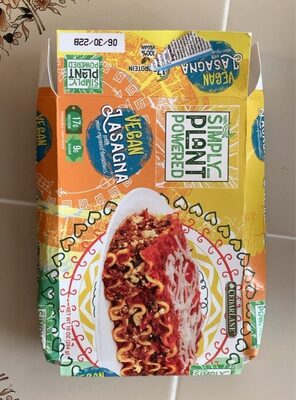 Cedarlane Natural Foods, Inc.
Vegan Lasagna With Vine-Ripened Tomatoes
High in sodium — 33% DV per serving
106kcal
6.0Protein
2.1Fat
16.2Carbs
Cedarlane Natural Foods, Inc.
Vegan Lasagna With Vine-Ripened Tomatoes
High in sodium — 33% DV per serving
106kcal
6.0Protein
2.1Fat
16.2Carbs
 Cedarlane Natural Foods, Inc.
Enchiladas Vegan In Red Sauce Simply Plant Powered, Enchiladas Vegan
High in sodium — 25% DV per serving
High in saturated fat — 30% DV per serving
116kcal
3.5Protein
5.3Fat
14.1Carbs
Cedarlane Natural Foods, Inc.
Enchiladas Vegan In Red Sauce Simply Plant Powered, Enchiladas Vegan
High in sodium — 25% DV per serving
High in saturated fat — 30% DV per serving
116kcal
3.5Protein
5.3Fat
14.1Carbs
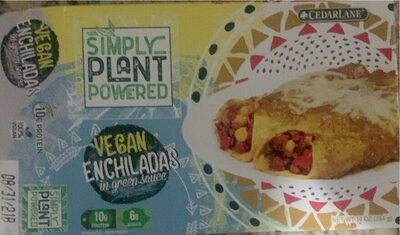 Cedarlane Natural Foods, Inc.
Simply Plant Powered Vegan Enchiladas In Green Sauce, Green Sauce
High in sodium — 25% DV per serving
High in saturated fat — 25% DV per serving
99kcal
3.5Protein
4.2Fat
13.4Carbs
Cedarlane Natural Foods, Inc.
Simply Plant Powered Vegan Enchiladas In Green Sauce, Green Sauce
High in sodium — 25% DV per serving
High in saturated fat — 25% DV per serving
99kcal
3.5Protein
4.2Fat
13.4Carbs
Learn more
Auto-generated content. This description was generated automatically and is pending editorial review. Inaccuracies are possible. Found a mistake? Contact us.