Bifidobacterium Lactis
What is Bifidobacterium Lactis?
Bifidobacterium lactis is a type of bacteria commonly found in the human gut. It is often grown in a lab using a process that involves fermenting a nutrient-rich medium, typically containing sugars and other growth factors. The resulting bacteria are then harvested and processed for use in food products.
Is Bifidobacterium Lactis a major allergen?
Bifidobacterium lactis itself is not one of the FDA's major allergens.
What is Bifidobacterium Lactis used for?
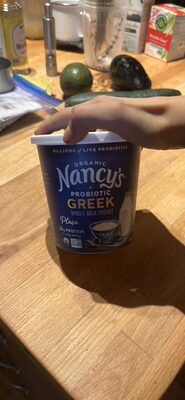
Manufacturers add Bifidobacterium lactis to foods as a probiotic ingredient, intended to provide live and active cultures.
Is Bifidobacterium Lactis safe?
Bifidobacterium lactis is generally recognized as safe (GRAS) by the FDA for its intended use in food.
Why it's used
Manufacturers add Bifidobacterium lactis to foods as a probiotic ingredient, intended to provide live and active cultures. It is frequently found in dairy products like yogurt and kefir, as well as in some juices and nutritional supplements. The goal is to offer potential health benefits associated with beneficial gut bacteria.
Health notes
Bifidobacterium lactis is generally recognized as safe (GRAS) by the FDA for its intended use in food. Research suggests that consuming probiotics like B. lactis may support gut health and immune function, though effects can vary between individuals. International bodies like JECFA have evaluated probiotics, and EFSA has also reviewed their safety and efficacy. Evidence for specific health outcomes is ongoing and sometimes mixed, with no single probiotic strain being a universal solution.
Allergen info
Bifidobacterium lactis itself is not one of the FDA's major allergens. However, it is often cultured in media that may contain milk derivatives, so individuals with severe milk allergies should check product labels.
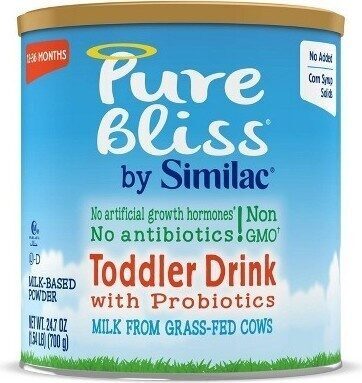
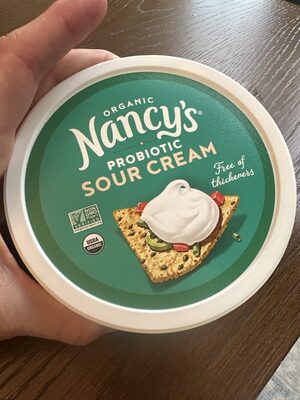
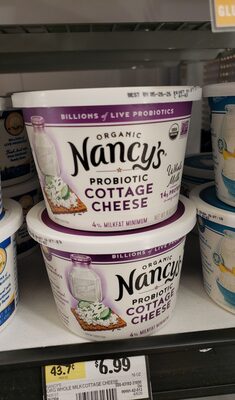
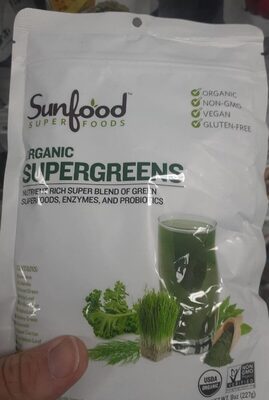
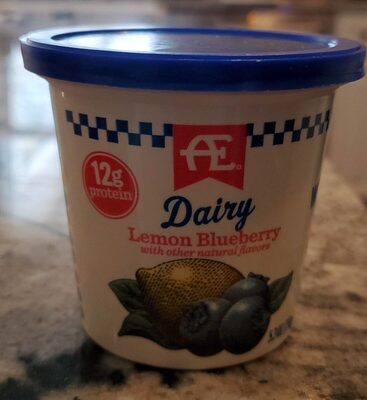
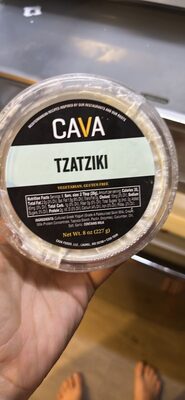
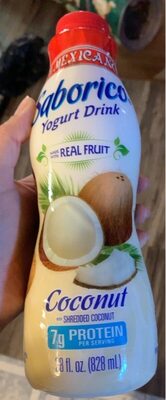
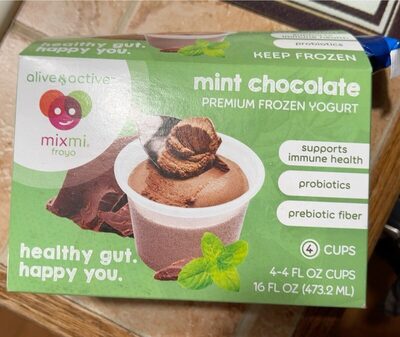
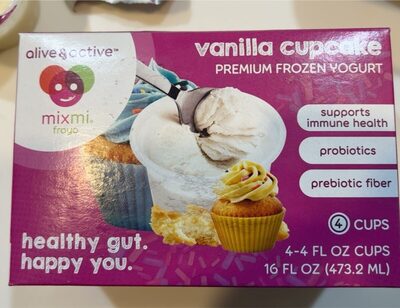
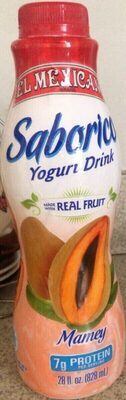
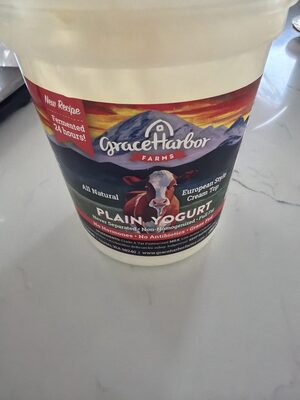
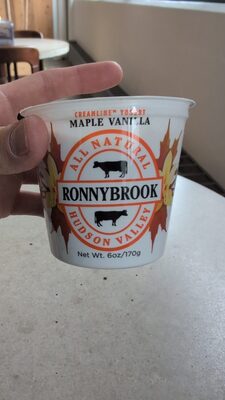
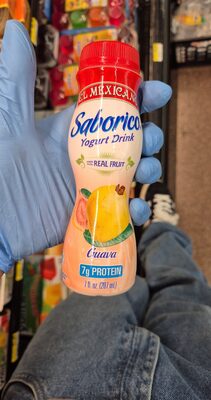
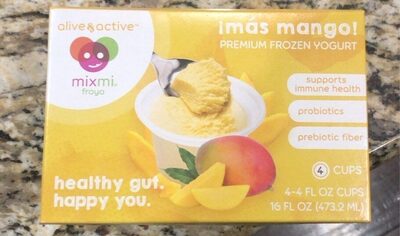
Foods that contain Bifidobacterium Lactis
Compare products →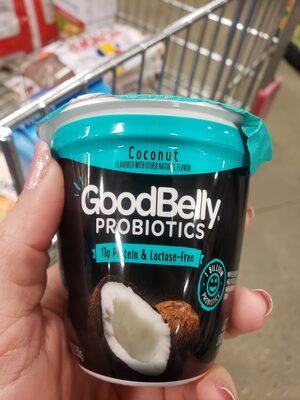



Auto-generated content. This description was generated automatically and is pending editorial review. Inaccuracies are possible. Found a mistake? Contact us.