Biscuit Ingredients: Enriched Bleached Flour
Auto-generated content. This description was generated automatically and is pending editorial review. Inaccuracies are possible. Found a mistake? Contact us.
What it is
Enriched bleached flour is wheat flour that has been refined to remove bran and germ. It is then 'enriched' with added vitamins and minerals, typically iron and B vitamins (thiamin, riboflavin, niacin, folic acid), to replace those lost during processing. 'Bleached' refers to a process using oxidizing agents to whiten the flour and alter its baking properties.
Why it's used
Manufacturers use enriched bleached flour as a primary structural ingredient in baked goods. Its refined texture and altered protein structure make it suitable for cakes, cookies, biscuits, and breads, contributing to a tender crumb and desirable texture. It is a common base for many baking mixes.
Health notes
Enriched bleached flour is generally recognized as safe (GRAS) by the FDA for use in food. The added vitamins and minerals contribute to the nutritional profile of foods. Regulatory bodies like JECFA and EFSA have evaluated flour enrichment, and it is a common practice worldwide. Concerns about refined grains are often discussed in relation to whole grains, which contain more fiber and nutrients.
Allergen info
Enriched bleached flour is derived from wheat, which is one of the FDA's nine major allergens. It also contains gluten, a protein found in wheat that can cause adverse reactions in individuals with celiac disease or non-celiac gluten sensitivity.
Products containing Biscuit Ingredients: Enriched Bleached Flour
Compare products →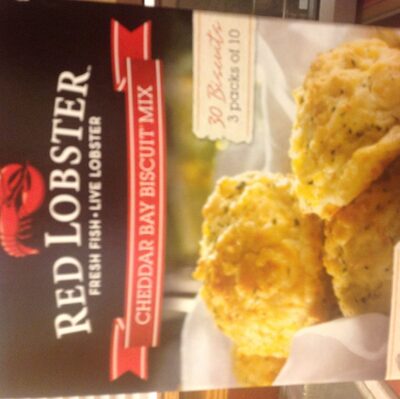 Continental Mills, Inc.
Cheddar Bay Biscuit Mix, Cheddar Bay
438kcal
6.2Protein
—Fat
56.2Carbs
F.B. Purnell Sausage Co., Inc.
Country Sausage & Biscuits
High in saturated fat — 25% DV per serving
333kcal
11.9Protein
16.7Fat
35.7Carbs
Continental Mills, Inc.
Cheddar Bay Biscuit Mix, Cheddar Bay
438kcal
6.2Protein
—Fat
56.2Carbs
F.B. Purnell Sausage Co., Inc.
Country Sausage & Biscuits
High in saturated fat — 25% DV per serving
333kcal
11.9Protein
16.7Fat
35.7Carbs
 Continental Mills, Inc.
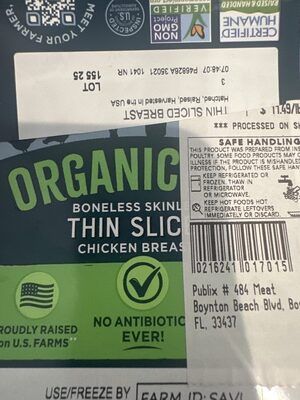
Cheddar Bay Biscuits, Cheddar
High in sodium — 22% DV per serving
High in saturated fat — 30% DV per serving
273kcal
5.5Protein
12.7Fat
34.5Carbs
Continental Mills, Inc.
Cheddar Bay Biscuits, Cheddar
High in sodium — 22% DV per serving
High in saturated fat — 30% DV per serving
273kcal
5.5Protein
12.7Fat
34.5Carbs
 Continental Mills, Inc.
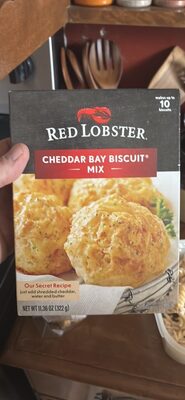
Cheddar Bay Biscuit Mix
438kcal
3.1Protein
—Fat
59.4Carbs
Continental Mills, Inc.
Cheddar Bay Biscuit Mix
438kcal
3.1Protein
—Fat
59.4Carbs
 Continental Mills, Inc.
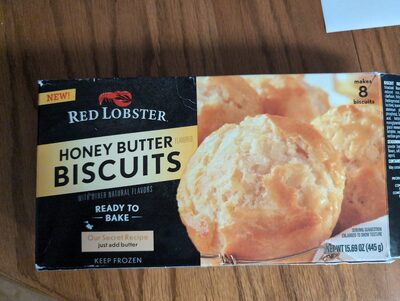
Honey Butter Biscuits, Honey Butter
High in sodium — 20% DV per serving
High in saturated fat — 35% DV per serving
286kcal
3.6Protein
14.3Fat
37.5Carbs
Continental Mills, Inc.
Honey Butter Biscuits, Honey Butter
High in sodium — 20% DV per serving
High in saturated fat — 35% DV per serving
286kcal
3.6Protein
14.3Fat
37.5Carbs