Black Glutinous Rice
What is Black Glutinous Rice?
Black glutinous rice, also known as forbidden rice, is a type of rice with a dark purple-black color. It is a variety of *Oryza sativa* that is naturally rich in anthocyanins, the same antioxidants that give blueberries and blackberries their color. It is typically cooked by boiling or steaming.
Is Black Glutinous Rice vegan?
Black Glutinous Rice is not animal-derived. Products that contain it can still include other animal-derived ingredients, so check the full ingredient list.
Is Black Glutinous Rice gluten-free?
It does not contain gluten.
Is Black Glutinous Rice a major allergen?
Black glutinous rice is not derived from any of the 9 major allergens.
What is Black Glutinous Rice used for?
Black glutinous rice is often used as a whole grain in dishes like congee, puddings, and desserts, providing a chewy texture and nutty flavor.
Is Black Glutinous Rice safe?
Black glutinous rice is generally recognized as safe (GRAS) by the FDA for use in food.
Why it's used
Black glutinous rice is often used as a whole grain in dishes like congee, puddings, and desserts, providing a chewy texture and nutty flavor. It can also be used in savory applications, such as in rice salads or as a side dish. Its vibrant color makes it an attractive ingredient for visually appealing foods.
Health notes
Black glutinous rice is generally recognized as safe (GRAS) by the FDA for use in food. It is a source of fiber, antioxidants, and other nutrients. JECFA and EFSA have not specifically evaluated black glutinous rice as a distinct food additive, as it is considered a whole food ingredient. Research suggests that the anthocyanins in black rice may have antioxidant properties, but more studies are needed to confirm specific health benefits in humans at typical dietary intakes.
Allergen info
Black glutinous rice is not derived from any of the 9 major allergens. It does not contain gluten.
Foods that contain Black Glutinous Rice
Compare products →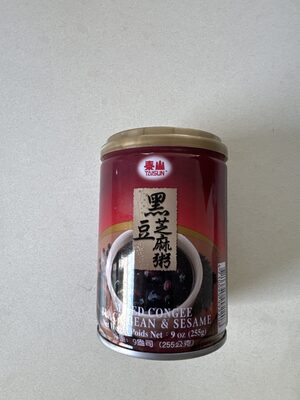
Learn more
Auto-generated content. This description was generated automatically and is pending editorial review. Inaccuracies are possible. Found a mistake? Contact us.