Blue Cheese Flavor
What is Blue Cheese Flavor?
Blue cheese flavor is a flavoring agent designed to mimic the taste and aroma of blue cheese. It is typically created using a combination of chemical compounds that replicate the characteristic pungent, savory, and slightly sweet notes found in real blue cheese, often including compounds produced by Penicillium roqueforti, the mold used in traditional blue cheese production.
Is Blue Cheese Flavor a major allergen?
Blue cheese flavor itself is not a major allergen.
What is Blue Cheese Flavor used for?
Manufacturers use blue cheese flavor to impart a distinct cheesy taste to a variety of foods without using actual cheese.
Is Blue Cheese Flavor safe?
Blue cheese flavor is generally recognized as safe (GRAS) by the FDA when used as a flavoring agent.
Why it's used
Manufacturers use blue cheese flavor to impart a distinct cheesy taste to a variety of foods without using actual cheese. It is commonly found in snack foods, sauces, dressings, frozen meals, and appetizers where a savory, tangy flavor profile is desired.
Health notes
Blue cheese flavor is generally recognized as safe (GRAS) by the FDA when used as a flavoring agent. Regulatory bodies like JECFA have evaluated many flavoring substances, and while specific evaluations for 'blue cheese flavor' as a whole may not be publicly detailed, individual components are assessed. At typical consumption levels, it is not associated with adverse health effects. There are no widespread controversies regarding its use as a food flavoring.
Allergen info
Blue cheese flavor itself is not a major allergen. However, if it is derived from or contains actual blue cheese, it would contain milk, which is a major allergen. Always check the ingredient list for specific details.
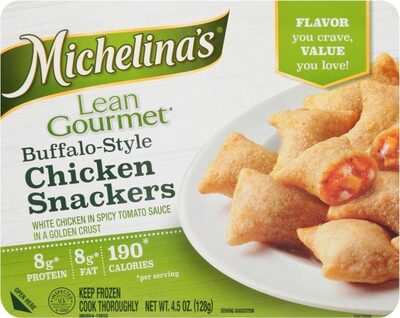
Foods that contain Blue Cheese Flavor
Compare products →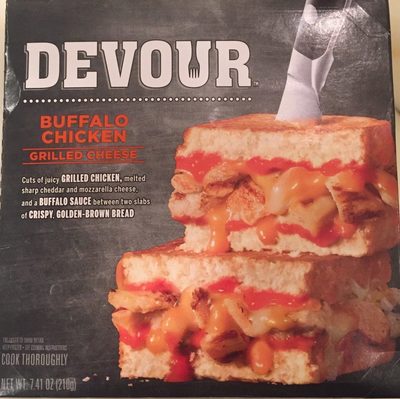
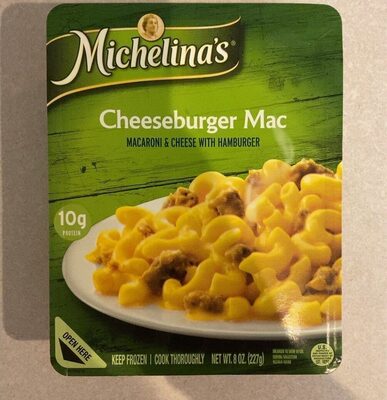

Learn more
Auto-generated content. This description was generated automatically and is pending editorial review. Inaccuracies are possible. Found a mistake? Contact us.