Both Enriched With Niacin
What is Both Enriched With Niacin?
Niacin, also known as vitamin B3, is an essential nutrient that the human body needs to function properly. It can be found naturally in foods like meat, fish, nuts, and legumes, and is also produced synthetically. The two main forms are nicotinic acid and niacinamide (or nicotinamide).
Is Both Enriched With Niacin vegan?
Both Enriched With Niacin is not animal-derived. Products that contain it can still include other animal-derived ingredients, so check the full ingredient list.
Is Both Enriched With Niacin a major allergen?
Not a major allergen.
What is Both Enriched With Niacin used for?
Niacin is often added to foods as a nutrient to enrich or fortify them, meaning it's put back into foods that may have lost it during processing, or added to foods that don't naturally contain much.
Is Both Enriched With Niacin safe?
Niacin is recognized by the FDA as an essential nutrient.
Why it's used
Niacin is often added to foods as a nutrient to enrich or fortify them, meaning it's put back into foods that may have lost it during processing, or added to foods that don't naturally contain much. It's commonly found in enriched grain products like bread, cereals, and pasta, as well as in some meat and poultry products.
Health notes
Niacin is recognized by the FDA as an essential nutrient. It plays a crucial role in metabolism and can prevent pellagra, a disease caused by niacin deficiency. While essential, very high doses of niacin, often used for medical purposes, can cause side effects like flushing, itching, and liver issues. JECFA has evaluated niacin and established an acceptable daily intake. The US National Academies have also established recommended daily allowances and upper intake levels for niacin.
Allergen info
Not a major allergen.
Foods that contain Both Enriched With Niacin
Compare products →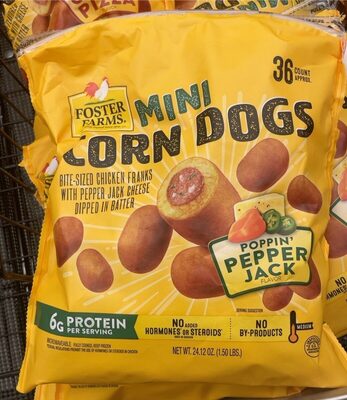
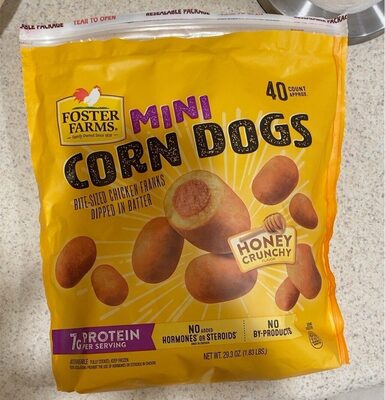
Learn more
Auto-generated content. This description was generated automatically and is pending editorial review. Inaccuracies are possible. Found a mistake? Contact us.