Boysenberries
What is Boysenberries?
Boysenberries are a hybrid berry, a cross between a raspberry, blackberry, dewberry, and loganberry. They were developed in California in the 1930s and are known for their large size and tart-sweet flavor. Boysenberries are typically grown for fresh consumption or for processing into jams, juices, and other products.
Is Boysenberries vegan?
Boysenberries is not animal-derived. Products that contain it can still include other animal-derived ingredients, so check the full ingredient list.
Is Boysenberries gluten-free?
They do not contain gluten.
Is Boysenberries a major allergen?
Boysenberries are not one of the nine FDA major allergens.
What is Boysenberries used for?
Manufacturers use boysenberries primarily for their distinct flavor and color.
Is Boysenberries safe?
Boysenberries are recognized as safe (GRAS) by the FDA for use as a food ingredient.
Why it's used
Manufacturers use boysenberries primarily for their distinct flavor and color. They are commonly found in jams, jellies, preserves, ice cream, pies, and beverages. Their tartness also makes them a good ingredient for balancing sweetness in desserts.
Health notes
Boysenberries are recognized as safe (GRAS) by the FDA for use as a food ingredient. They are a source of fiber, vitamin C, and antioxidants. International bodies like JECFA and EFSA have evaluated berries generally, and they are considered safe when consumed as part of a balanced diet. No significant health concerns are associated with the consumption of boysenberries at typical intake levels.
Allergen info
Boysenberries are not one of the nine FDA major allergens. They do not contain gluten.
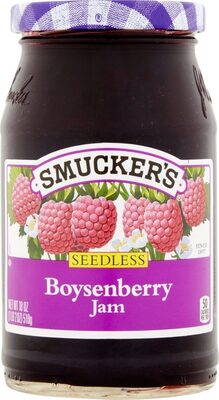
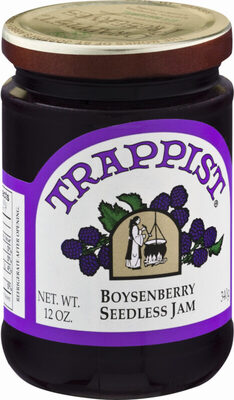
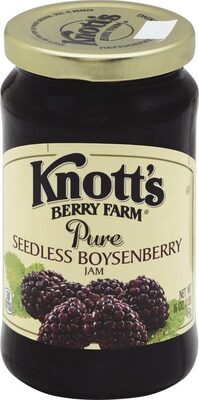
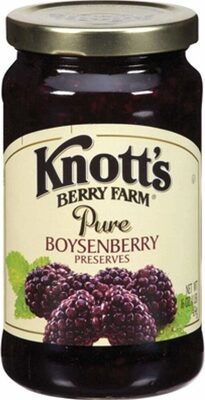
Foods that contain Boysenberries
Compare products →

Auto-generated content. This description was generated automatically and is pending editorial review. Inaccuracies are possible. Found a mistake? Contact us.