Bread Stick
What is Bread Stick?
Bread sticks are a type of baked bread, typically long and thin, often made from flour, water, yeast, and salt. They are usually baked until crisp or chewy, and can be flavored with herbs, cheese, or garlic. Bread sticks are a popular accompaniment to meals or enjoyed as a snack.
Is Bread Stick gluten-free?
They also contain gluten.
Is Bread Stick a major allergen?
Bread sticks are typically made with wheat flour, which is one of the 9 FDA major allergens.
What is Bread Stick used for?
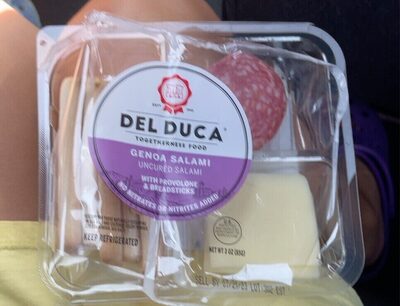
Manufacturers use bread sticks as a component in packaged foods, often as a side or part of a meal kit.
Is Bread Stick safe?
Bread sticks are a food item and not typically subject to additive regulations unless specific ingredients are added.
Why it's used
Manufacturers use bread sticks as a component in packaged foods, often as a side or part of a meal kit. They are frequently found in lunch snacks, frozen bread and dough products, and charcuterie-style combinations.
Health notes
Bread sticks are a food item and not typically subject to additive regulations unless specific ingredients are added. The US FDA considers ingredients generally recognized as safe (GRAS) for their intended use. Health impacts are generally related to the overall nutritional content of the bread stick, such as carbohydrate and sodium levels, depending on preparation and added ingredients. Regulatory bodies like JECFA and EFSA evaluate food ingredients for safety, but bread sticks themselves are not evaluated as a single additive.
Allergen info
Bread sticks are typically made with wheat flour, which is one of the 9 FDA major allergens. They also contain gluten.
Foods that contain Bread Stick
Compare products →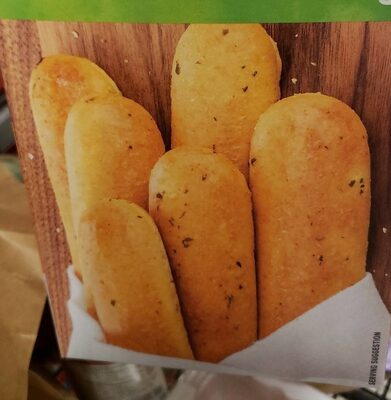
Learn more
Auto-generated content. This description was generated automatically and is pending editorial review. Inaccuracies are possible. Found a mistake? Contact us.