Breadsticks
What is Breadsticks?
Breadsticks are a type of baked bread, typically long and thin like a stick. They are usually made from flour, water, yeast, and salt, and can be flavored with herbs, cheese, or seeds. Breadsticks are often baked until crisp or chewy.
Is Breadsticks vegan?
Breadsticks is not animal-derived. Products that contain it can still include other animal-derived ingredients, so check the full ingredient list.
Is Breadsticks gluten-free?
Gluten is present.
Is Breadsticks a major allergen?
Breadsticks made with wheat flour contain wheat, which is one of the 9 FDA major allergens.
What is Breadsticks used for?
Breadsticks are often served as an appetizer or side dish, especially with Italian meals.
Is Breadsticks safe?
Breadsticks are a common food item and are generally considered safe to eat.
Why it's used
Breadsticks are often served as an appetizer or side dish, especially with Italian meals. Manufacturers may add them to snack packs or include them as a component in ready-to-eat meals. They can also be a base for dips or spreads.
Health notes
Breadsticks are a common food item and are generally considered safe to eat. They are not typically regulated as a food additive. The primary nutritional components are carbohydrates from the flour. Evidence does not suggest adverse health effects from moderate consumption.
Allergen info
Breadsticks made with wheat flour contain wheat, which is one of the 9 FDA major allergens. They may also contain other allergens depending on added ingredients. Gluten is present.
Foods that contain Breadsticks
Compare products →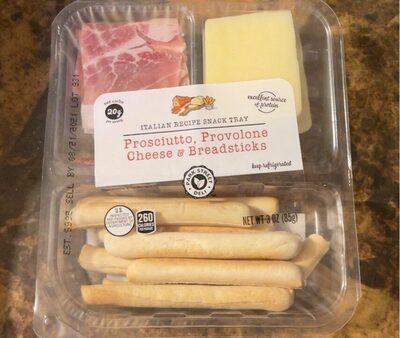
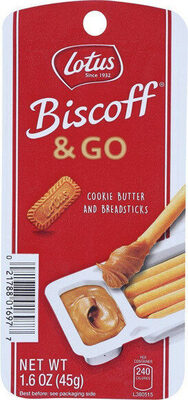
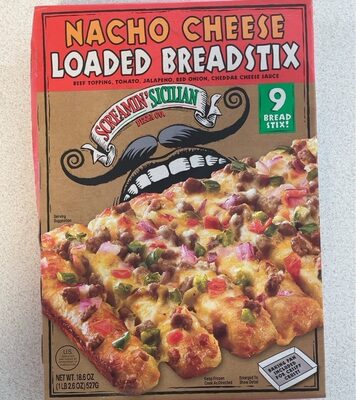
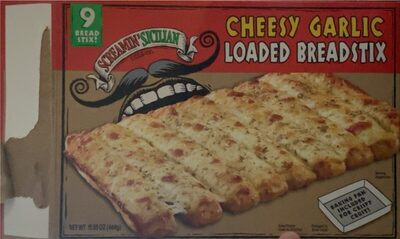

Learn more
Auto-generated content. This description was generated automatically and is pending editorial review. Inaccuracies are possible. Found a mistake? Contact us.