Brittle
What is Brittle?
Brittle is a hard, crunchy candy made primarily from sugar or corn syrup that has been heated until it caramelizes. Nuts, such as peanuts or almonds, are often added for flavor and texture before the mixture cools and hardens.
Is Brittle vegan?
Brittle is not animal-derived. Products that contain it can still include other animal-derived ingredients, so check the full ingredient list.
Is Brittle gluten-free?
Gluten is not typically present unless wheat-derived ingredients are added.
Is Brittle a major allergen?
Brittle can be a major allergen if it contains peanuts or tree nuts.
What is Brittle used for?
Brittle is used as a confectionary ingredient and a standalone candy.
Is Brittle safe?
Brittle itself is a type of candy and is not subject to specific FDA regulation as an additive.
Why it's used
Brittle is used as a confectionary ingredient and a standalone candy. It adds a sweet, nutty flavor and a crunchy texture to foods like chocolate bars, ice cream, and baked goods.
Health notes
Brittle itself is a type of candy and is not subject to specific FDA regulation as an additive. Like other candies, it is high in sugar, and excessive consumption can contribute to health issues associated with high sugar intake. Regulatory bodies like JECFA and EFSA have evaluated sugar and nuts, but not 'brittle' as a distinct ingredient.
Allergen info
Brittle can be a major allergen if it contains peanuts or tree nuts. It is not derived from milk, egg, fish, shellfish, wheat, soy, or sesame. Gluten is not typically present unless wheat-derived ingredients are added.
Foods that contain Brittle
Compare products →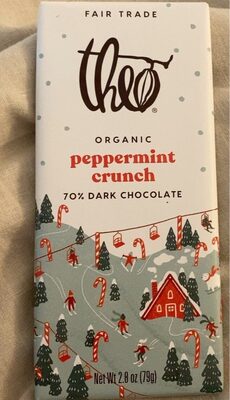
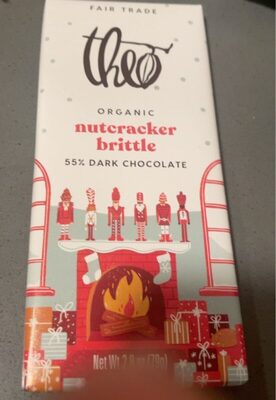
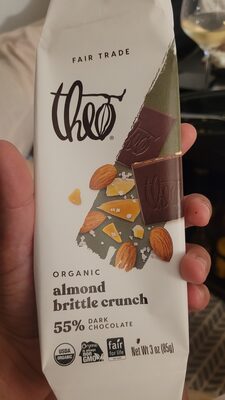
Auto-generated content. This description was generated automatically and is pending editorial review. Inaccuracies are possible. Found a mistake? Contact us.