Budweiser Lager Beer
What is Budweiser Lager Beer?
Budweiser is a popular American-style lager beer. It is brewed by Anheuser-Busch InBev using a combination of water, barley malt, rice, yeast, and hops. The brewing process involves fermentation and aging to develop its characteristic flavor and aroma.
Is Budweiser Lager Beer gluten-free?
Beer is typically made from barley, which contains gluten.
What is Budweiser Lager Beer used for?
Budweiser Lager Beer is primarily consumed as a beverage.
Is Budweiser Lager Beer safe?
Alcoholic beverages like Budweiser contain ethanol, which is a psychoactive substance and a toxin.
Why it's used
Budweiser Lager Beer is primarily consumed as a beverage. In food manufacturing, it can be used as a flavoring agent in marinades, sauces, and batters, particularly for seafood and meats, to impart a distinct malty and slightly bitter taste. It is also used in some baked goods and desserts.
Health notes
Alcoholic beverages like Budweiser contain ethanol, which is a psychoactive substance and a toxin. The U.S. Dietary Guidelines for Americans recommend that if alcohol is consumed, it should be in moderation—up to one drink per day for women and up to two drinks per day for men. Excessive alcohol consumption is linked to numerous health problems. The FDA regulates alcoholic beverages through the Alcohol and Tobacco Tax and Trade Bureau (TTB).
Allergen info
Beer is typically made from barley, which contains gluten. Therefore, Budweiser Lager Beer is not gluten-free and may be unsuitable for individuals with celiac disease or gluten sensitivity. It is not derived from any of the other 8 major allergens.
Foods that contain Budweiser Lager Beer
Compare products →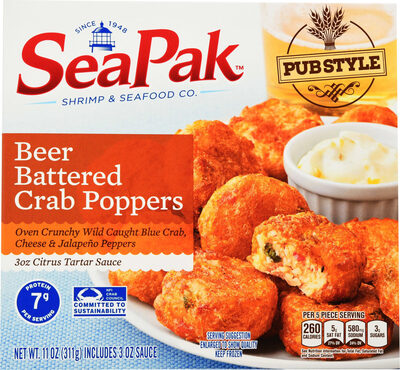
Auto-generated content. This description was generated automatically and is pending editorial review. Inaccuracies are possible. Found a mistake? Contact us.