Butter And Salt
What is Butter And Salt?
Butter is a dairy product made from churning milk or cream, separating the butterfat from the buttermilk. Salt is a mineral, typically harvested from underground deposits or by evaporating seawater, and then processed. Together, they are a common ingredient in many foods.
Is Butter And Salt vegan?
No. Butter And Salt is animal-derived, so it is not vegan.
Is Butter And Salt a major allergen?
Butter is derived from milk, which is one of the nine major food allergens identified by the FDA.
What is Butter And Salt used for?
Manufacturers add butter for its rich flavor, creamy texture, and fat content, while salt is used to enhance taste, act as a preservative, and influence food texture.
Is Butter And Salt safe?
Both butter and salt are generally recognized as safe (GRAS) by the FDA.
Why it's used
Manufacturers add butter for its rich flavor, creamy texture, and fat content, while salt is used to enhance taste, act as a preservative, and influence food texture. This combination is frequently found in snacks like popcorn and nuts, baked goods, and various savory dishes.
Health notes
Both butter and salt are generally recognized as safe (GRAS) by the FDA. Butter is a source of saturated fat; the 2025-2030 Dietary Guidelines for Americans recommend keeping saturated fat under 10% of daily calories. High sodium intake from salt is linked to increased blood pressure, with the FDA Daily Value for sodium set at 2,300 mg. JECFA has evaluated sodium chloride.
Allergen info
Butter is derived from milk, which is one of the nine major food allergens identified by the FDA. Therefore, this ingredient contains a major allergen.
Foods that contain Butter And Salt
Compare products →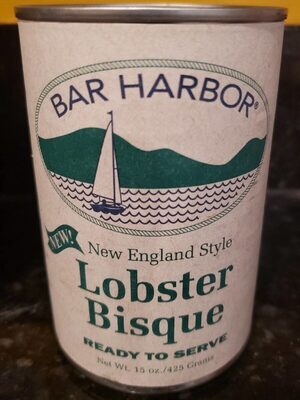 Look's Gourmet Food Company, Inc.
New England Style Lobster Bisque, New England Style Lobster
High in sodium — 32% DV per serving
High in saturated fat — 23% DV per serving
57kcal
1.2Protein
2.9Fat
6.5Carbs
Belmont Peanuts of Southampton
Belmont Peanuts, Gourmet Peanuts, Artisan Butter Toffee, Artisan Butter Toffee
500kcal
14.3Protein
28.6Fat
50Carbs
Tdf Products, Inc.
Michel De France, Crepes
352kcal
7.0Protein
7.0Fat
63.4Carbs
Sagsveen & Sagsveen Food Brokers Ltd.
Elizabeth's Naturals, Butter Toffe Cashews
641kcal
15.4Protein
35.9Fat
35.9Carbs
Look's Gourmet Food Company, Inc.
New England Style Lobster Bisque, New England Style Lobster
High in sodium — 32% DV per serving
High in saturated fat — 23% DV per serving
57kcal
1.2Protein
2.9Fat
6.5Carbs
Belmont Peanuts of Southampton
Belmont Peanuts, Gourmet Peanuts, Artisan Butter Toffee, Artisan Butter Toffee
500kcal
14.3Protein
28.6Fat
50Carbs
Tdf Products, Inc.
Michel De France, Crepes
352kcal
7.0Protein
7.0Fat
63.4Carbs
Sagsveen & Sagsveen Food Brokers Ltd.
Elizabeth's Naturals, Butter Toffe Cashews
641kcal
15.4Protein
35.9Fat
35.9Carbs
Learn more
Auto-generated content. This description was generated automatically and is pending editorial review. Inaccuracies are possible. Found a mistake? Contact us.