Calcium And Potassium Blend
What is Calcium And Potassium Blend?
This is a blend of calcium and potassium, two essential minerals. These minerals are often added to foods to boost their nutritional value. They are typically sourced from mineral deposits and then purified and processed for food use.
Is Calcium And Potassium Blend vegan?
Calcium And Potassium Blend is not animal-derived. Products that contain it can still include other animal-derived ingredients, so check the full ingredient list.
Is Calcium And Potassium Blend a major allergen?
Not a major allergen.
What is Calcium And Potassium Blend used for?
This blend is added to foods as a nutrient supplement, helping to fortify products with calcium and potassium.
Is Calcium And Potassium Blend safe?
Calcium and potassium are essential nutrients that play vital roles in the body.
Why it's used
This blend is added to foods as a nutrient supplement, helping to fortify products with calcium and potassium. It is commonly found in plant-based milk alternatives and other beverages to increase their mineral content.
Health notes
Calcium and potassium are essential nutrients that play vital roles in the body. The FDA recognizes calcium and potassium as generally recognized as safe (GRAS) when used as nutrients. Regulatory bodies like JECFA and EFSA have evaluated these minerals, acknowledging their importance. Consuming adequate calcium and potassium is linked to various health benefits, including bone health and blood pressure regulation.
Allergen info
Not a major allergen. Calcium and potassium are minerals and do not typically trigger allergic reactions. This blend is not derived from any of the nine major allergens.
Foods that contain Calcium And Potassium Blend
Compare products →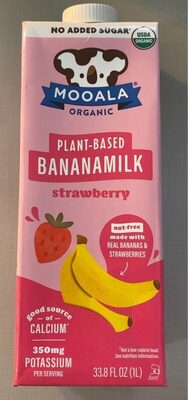
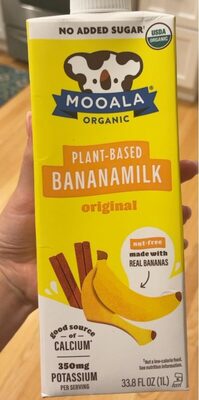
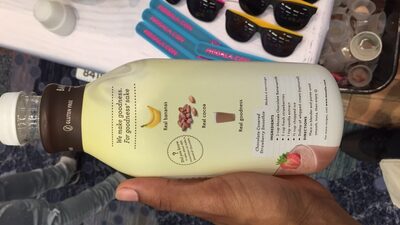
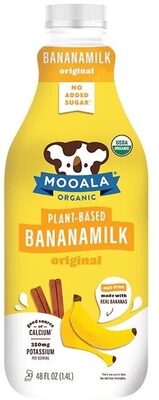
Learn more
Auto-generated content. This description was generated automatically and is pending editorial review. Inaccuracies are possible. Found a mistake? Contact us.