Calcium Derived From Seaweed
Auto-generated content. This description was generated automatically and is pending editorial review. Inaccuracies are possible. Found a mistake? Contact us.
What it is
Calcium derived from seaweed is a mineral source obtained from certain types of marine algae. The seaweed is processed to extract and concentrate the calcium, often resulting in a powder. This form of calcium is valued for its natural origin.
Why it's used
Manufacturers add calcium derived from seaweed to fortify foods and beverages with calcium, a vital nutrient. It is commonly found in plant-based milk alternatives, such as almond or coconut milk, and in nutritional supplements and drinks. Its function is to increase the calcium content of the product.
Health notes
Calcium derived from seaweed is generally recognized as safe (GRAS) by the FDA when used as a nutrient supplement. It provides calcium, which is essential for bone health. International bodies like JECFA have evaluated calcium compounds for safety. Evidence suggests that calcium from various sources, including seaweed, is well-absorbed and beneficial for bone density when consumed as part of a balanced diet.
Allergen info
Calcium derived from seaweed is not a major allergen. It is not derived from milk, egg, fish, shellfish, tree nuts, peanuts, wheat, soy, or sesame. It does not contain gluten.
Products containing Calcium Derived From Seaweed
Compare products →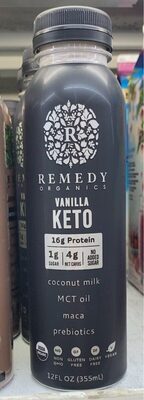 Joni Juice, LLC
Vanilla Keto Coconut Milk, Vanilla
High in saturated fat — 65% DV per serving
37kcal
4.5Protein
4.2Fat
2.2Carbs
Joni Juice, LLC
Vanilla Keto Coconut Milk, Vanilla
High in saturated fat — 65% DV per serving
37kcal
4.5Protein
4.2Fat
2.2Carbs
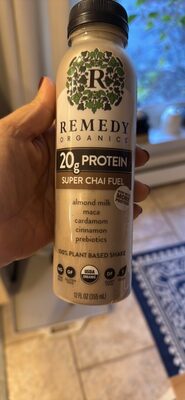 Joni Juice, LLC
Super Chai Fuel Drink
54kcal
3.4Protein
2.5Fat
3.7Carbs
Joni Juice, LLC
Super Chai Fuel Drink
54kcal
3.4Protein
2.5Fat
3.7Carbs
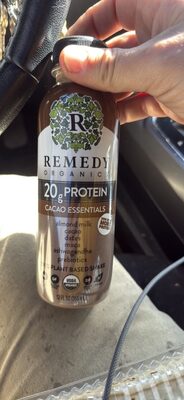 Joni Juice, LLC
Cacao Essentials Drink, Cacao
59kcal
4.5Protein
2.2Fat
4.8Carbs
Joni Juice, LLC
Cacao Essentials Drink, Cacao
59kcal
4.5Protein
2.2Fat
4.8Carbs
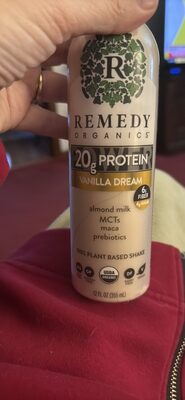 Joni Juice, LLC
Almond Milk, Mct Oil, Maca, Prebiotics Vanilla Essentials Drink, Vanilla
54kcal
3.6Protein
2.4Fat
3.9Carbs
Joni Juice, LLC
Almond Milk, Mct Oil, Maca, Prebiotics Vanilla Essentials Drink, Vanilla
54kcal
3.6Protein
2.4Fat
3.9Carbs
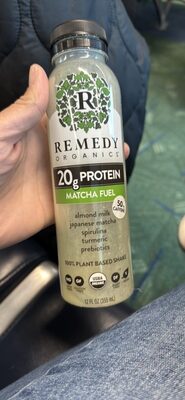 Joni Juice, LLC
Matcha Oxidants Drink, Matcha
48kcal
3.4Protein
2.0Fat
3.7Carbs
Joni Juice, LLC
Matcha Oxidants Drink, Matcha
48kcal
3.4Protein
2.0Fat
3.7Carbs
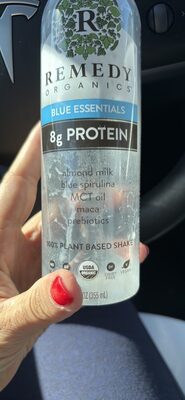 Joni Juice, LLC
Blue Oxidant Drinks
High in saturated fat — 20% DV per serving
51kcal
2.2Protein
2.2Fat
3.4Carbs
Joni Juice, LLC
Blue Oxidant Drinks
High in saturated fat — 20% DV per serving
51kcal
2.2Protein
2.2Fat
3.4Carbs
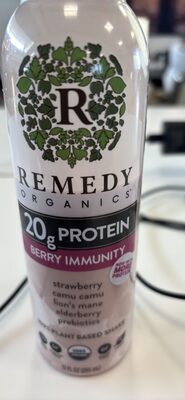 Joni Juice, LLC
Berry Immunity Drinks
High in saturated fat — 35% DV per serving
48kcal
2.8Protein
2.2Fat
3.1Carbs
Joni Juice, LLC
Berry Immunity Drinks
High in saturated fat — 35% DV per serving
48kcal
2.8Protein
2.2Fat
3.1Carbs
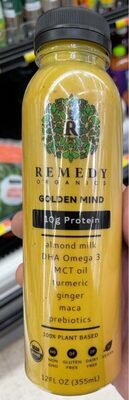 Joni Juice, LLC
Golden Mind Drink
High in saturated fat — 20% DV per serving
54kcal
2.8Protein
2.8Fat
3.7Carbs
Joni Juice, LLC
Golden Mind Drink
High in saturated fat — 20% DV per serving
54kcal
2.8Protein
2.8Fat
3.7Carbs