Calcium Phosphate Yeast
Auto-generated content. This description was generated automatically and is pending editorial review. Inaccuracies are possible. Found a mistake? Contact us.
What it is
Calcium phosphate yeast is a source of calcium and phosphorus, derived from yeast that has been treated to absorb these minerals. It is produced by growing yeast and then adding calcium and phosphorus compounds during the growth process. The yeast cells then accumulate these minerals.
Why it's used
It is often added to foods as a source of calcium and phosphorus, contributing to the nutritional profile of the product. It can also function as a dough conditioner or leavening agent in baked goods. You might find it in crackers, biscuits, and other baked snacks.
Health notes
In the US, calcium phosphate yeast is generally recognized as safe (GRAS) by the FDA when used as intended. Calcium and phosphorus are essential minerals for bone health. Regulatory bodies like JECFA and EFSA have evaluated phosphates, and they are considered safe when consumed within typical dietary levels. Evidence does not suggest adverse health effects at levels typically found in food.
Allergen info
Calcium phosphate yeast is not derived from any of the 9 FDA major allergens and does not contain gluten.
Products containing Calcium Phosphate Yeast
Compare products →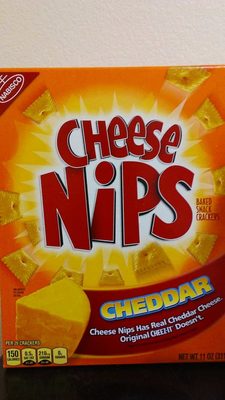 Mondelez Int. US (0074819091009)
Cheese Nips Crackers 1X11 Oz
500kcal
10Protein
20Fat
63.3Carbs
Mondelez Int. US (0074819091009)
Cheese Nips Crackers 1X1.000 Oz
464kcal
10.7Protein
13.9Fat
67.9Carbs
Mondelez Int. US (0074819091009)
Cheese Nips Crackers 1X1.000 Oz
464kcal
7.1Protein
21.4Fat
64.3Carbs
Mondelez Int. US (0074819091009)
Cheese Nips Crackers Reduced Fat1X11.750 Oz
433kcal
10Protein
10.8Fat
73.3Carbs
Nabisco Biscuit Company
Cheese Nips Snacks Cracker, Cheddar Baked
433kcal
10Protein
15Fat
70Carbs
Nabisco Biscuit Company
Cheddar Baked Snack Crackers, Cheese Nips
433kcal
10Protein
15Fat
70Carbs
Nabisco Biscuit Company
Baked Snack Crackers, Cheddar
433kcal
10Protein
15Fat
70Carbs
Nabisco Biscuit Company
Baked Snack Crackers, Cheddar
433kcal
10Protein
11.7Fat
73.3Carbs
Nabisco Biscuit Company
Cheddar Baked Snack Crackers, Cheddar
500kcal
10Protein
20Fat
63.3Carbs
Nabisco Biscuit Company
Cheddar Baked Snack Crackers, Cheddar
464kcal
10.7Protein
14.3Fat
67.9Carbs
Nabisco Biscuit Company
Nabisco Snacks Savory Pack, 20 Count, 18.75 Oz
500kcal
7.1Protein
25Fat
64.3Carbs
Mondelez Int. US (0074819091009)
Cheese Nips Crackers 1X11 Oz
500kcal
10Protein
20Fat
63.3Carbs
Mondelez Int. US (0074819091009)
Cheese Nips Crackers 1X1.000 Oz
464kcal
10.7Protein
13.9Fat
67.9Carbs
Mondelez Int. US (0074819091009)
Cheese Nips Crackers 1X1.000 Oz
464kcal
7.1Protein
21.4Fat
64.3Carbs
Mondelez Int. US (0074819091009)
Cheese Nips Crackers Reduced Fat1X11.750 Oz
433kcal
10Protein
10.8Fat
73.3Carbs
Nabisco Biscuit Company
Cheese Nips Snacks Cracker, Cheddar Baked
433kcal
10Protein
15Fat
70Carbs
Nabisco Biscuit Company
Cheddar Baked Snack Crackers, Cheese Nips
433kcal
10Protein
15Fat
70Carbs
Nabisco Biscuit Company
Baked Snack Crackers, Cheddar
433kcal
10Protein
15Fat
70Carbs
Nabisco Biscuit Company
Baked Snack Crackers, Cheddar
433kcal
10Protein
11.7Fat
73.3Carbs
Nabisco Biscuit Company
Cheddar Baked Snack Crackers, Cheddar
500kcal
10Protein
20Fat
63.3Carbs
Nabisco Biscuit Company
Cheddar Baked Snack Crackers, Cheddar
464kcal
10.7Protein
14.3Fat
67.9Carbs
Nabisco Biscuit Company
Nabisco Snacks Savory Pack, 20 Count, 18.75 Oz
500kcal
7.1Protein
25Fat
64.3Carbs