Canola And Extra Virgin Olive Oil
What is Canola And Extra Virgin Olive Oil?
Canola oil is made from the seeds of the rapeseed plant, bred to have lower levels of erucic acid. Extra virgin olive oil is made from pressed olives. Both are liquid fats used in cooking and as ingredients.
Is Canola And Extra Virgin Olive Oil vegan?
Canola And Extra Virgin Olive Oil is not animal-derived. Products that contain it can still include other animal-derived ingredients, so check the full ingredient list.
Is Canola And Extra Virgin Olive Oil gluten-free?
They do not contain gluten.
Is Canola And Extra Virgin Olive Oil a major allergen?
Neither canola oil nor olive oil are among the 9 FDA major allergens.
What is Canola And Extra Virgin Olive Oil used for?
These oils are used as cooking fats, in salad dressings, and as ingredients in baked goods and processed foods.
Is Canola And Extra Virgin Olive Oil safe?
Both canola oil and olive oil are widely used in the US.
Why it's used
These oils are used as cooking fats, in salad dressings, and as ingredients in baked goods and processed foods. They provide texture, flavor, and help blend other ingredients together.
Health notes
Both canola oil and olive oil are widely used in the US. The FDA considers canola oil Generally Recognized As Safe (GRAS). Extra virgin olive oil is also considered safe. Health organizations like the World Health Organization have evaluated fats and oils. Research generally suggests that replacing saturated fats with unsaturated fats, like those found in these oils, can be beneficial for heart health.
Allergen info
Neither canola oil nor olive oil are among the 9 FDA major allergens. They do not contain gluten.
Foods that contain Canola And Extra Virgin Olive Oil
Compare products →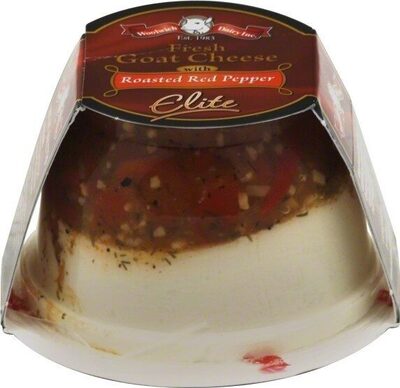 WOOLWICH DAIRY INC.
Fresh Goat Cheese
179kcal
10.7Protein
10.7Fat
7.1Carbs
Hannah International Foods, Inc.
Falafel Veggie Patties
High in sodium — 21% DV per serving
226kcal
3.2Protein
12.9Fat
21.0Carbs
B.M.A USA Inc.
Canola And Extra Virgin Olive Oil
800kcal
0Protein
93.3Fat
0Carbs
B. Robert's Foods, Inc.
Paprika Smoked Chicken With New Orlean Style Rice
High in sodium — 59% DV per serving
High in saturated fat — 30% DV per serving
High in cholesterol — 35% DV per serving
141kcal
10.3Protein
6.2Fat
9.4Carbs
Five Star Gourmet Foods Inc.
Steakhouse Classic Rosemary Roasted Potatoes With Romano Cheese And Olive Oil, Steakhouse Classic
150kcal
3.5Protein
7.9Fat
16.8Carbs
Gmg Foods Inc.
Home Style Marinara Sauce
40kcal
1.6Protein
0.4Fat
7.2Carbs
WOOLWICH DAIRY INC.
Fresh Goat Cheese
179kcal
10.7Protein
10.7Fat
7.1Carbs
Hannah International Foods, Inc.
Falafel Veggie Patties
High in sodium — 21% DV per serving
226kcal
3.2Protein
12.9Fat
21.0Carbs
B.M.A USA Inc.
Canola And Extra Virgin Olive Oil
800kcal
0Protein
93.3Fat
0Carbs
B. Robert's Foods, Inc.
Paprika Smoked Chicken With New Orlean Style Rice
High in sodium — 59% DV per serving
High in saturated fat — 30% DV per serving
High in cholesterol — 35% DV per serving
141kcal
10.3Protein
6.2Fat
9.4Carbs
Five Star Gourmet Foods Inc.
Steakhouse Classic Rosemary Roasted Potatoes With Romano Cheese And Olive Oil, Steakhouse Classic
150kcal
3.5Protein
7.9Fat
16.8Carbs
Gmg Foods Inc.
Home Style Marinara Sauce
40kcal
1.6Protein
0.4Fat
7.2Carbs
Learn more
Auto-generated content. This description was generated automatically and is pending editorial review. Inaccuracies are possible. Found a mistake? Contact us.