Canola Oil Soy Lecithin
Auto-generated content. This description was generated automatically and is pending editorial review. Inaccuracies are possible. Found a mistake? Contact us.
What it is
Canola oil is a vegetable oil made from the seeds of the canola plant, a cultivar of rapeseed. The seeds are cleaned, crushed, and then the oil is extracted using mechanical pressing and/or solvent extraction. The crude oil is then refined to remove impurities, resulting in a neutral-flavored oil.
Why it's used
Canola oil is used as a cooking oil due to its high smoke point and neutral flavor. It's also used as an ingredient in many processed foods like salad dressings, baked goods, and snacks, often functioning as a fat or oil source.
Health notes
Canola oil is generally recognized as safe (GRAS) by the FDA. It is a source of monounsaturated and polyunsaturated fats, including omega-3 fatty acids. Regulatory bodies like EFSA have evaluated canola oil and its components. Some studies suggest potential benefits from its fatty acid profile, while others raise questions about processing methods, though evidence is mixed and often debated.
Allergen info
Canola oil is not derived from soy, wheat, or any of the other major allergens. It is considered safe for individuals with soy or peanut allergies.
Products containing Canola Oil Soy Lecithin
Compare products →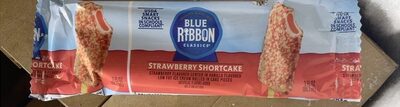 Wells Enterprises, Inc.
Strawberry Shortcake Flavored Center In Vanilla Reduced Fat Ice Cream Rolled In Cake Pieces, Strawberry Shortcake
224kcal
3.0Protein
7.5Fat
37.3Carbs
The Hampton Popcorn Company, Inc.
Straub's, Triple Chocolate Caramel Crunch
393kcal
3.6Protein
10.7Fat
78.6Carbs
Taste It Presents Inc.
Chocolate Belgian Mousse, Chocolate
High in saturated fat — 80% DV per serving
High in added sugars — 36% DV per serving
High in cholesterol — 35% DV per serving
400kcal
4.7Protein
31.8Fat
25.9Carbs
Rouse's Enterprises, Inc.
Butter Toffee Gator Puffs, Butter Toffee
467kcal
—Protein
23.3Fat
63.3Carbs
Melville Candy Corporation
Hard Candy Lollipop
High in added sugars — 46% DV per serving
393kcal
0Protein
0Fat
92.9Carbs
Wells Enterprises, Inc.
Strawberry Shortcake Flavored Center In Vanilla Reduced Fat Ice Cream Rolled In Cake Pieces, Strawberry Shortcake
224kcal
3.0Protein
7.5Fat
37.3Carbs
The Hampton Popcorn Company, Inc.
Straub's, Triple Chocolate Caramel Crunch
393kcal
3.6Protein
10.7Fat
78.6Carbs
Taste It Presents Inc.
Chocolate Belgian Mousse, Chocolate
High in saturated fat — 80% DV per serving
High in added sugars — 36% DV per serving
High in cholesterol — 35% DV per serving
400kcal
4.7Protein
31.8Fat
25.9Carbs
Rouse's Enterprises, Inc.
Butter Toffee Gator Puffs, Butter Toffee
467kcal
—Protein
23.3Fat
63.3Carbs
Melville Candy Corporation
Hard Candy Lollipop
High in added sugars — 46% DV per serving
393kcal
0Protein
0Fat
92.9Carbs