Canola Safflower Sunflower
What is Canola Safflower Sunflower?
Canola, safflower, and sunflower oils are vegetable oils extracted from the seeds of their respective plants. These oils are commonly used in food preparation and as ingredients in many processed foods. They are typically obtained through pressing the seeds, followed by a refining process.
Is Canola Safflower Sunflower vegan?
Canola Safflower Sunflower is not animal-derived. Products that contain it can still include other animal-derived ingredients, so check the full ingredient list.
Is Canola Safflower Sunflower a major allergen?
Not a major allergen.
What is Canola Safflower Sunflower used for?
Manufacturers add these oils to foods for cooking, frying, and to improve texture and mouthfeel.
Is Canola Safflower Sunflower safe?
Canola, safflower, and sunflower oils are generally recognized as safe (GRAS) by the U.S. Food and Drug Administration (FDA) for their intended uses.
Why it's used
Manufacturers add these oils to foods for cooking, frying, and to improve texture and mouthfeel. They are frequently found in snack foods like chips and popcorn, as well as in frozen dinners, baked goods, and salad dressings. This blend provides a neutral flavor profile suitable for various products.
Health notes
Canola, safflower, and sunflower oils are generally recognized as safe (GRAS) by the U.S. Food and Drug Administration (FDA) for their intended uses. As dietary fats, they provide energy and are sources of unsaturated fatty acids. JECFA (the Joint FAO/WHO Expert Committee on Food Additives) and EFSA (the European Food Safety Authority) have evaluated common vegetable oils and consider them safe for consumption as food ingredients.
Allergen info
Not a major allergen.
Foods that contain Canola Safflower Sunflower
Compare products →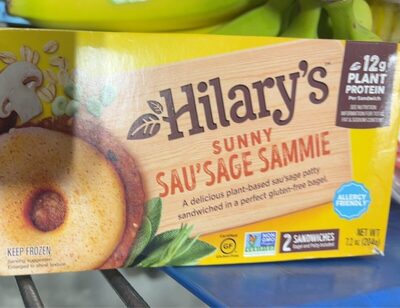
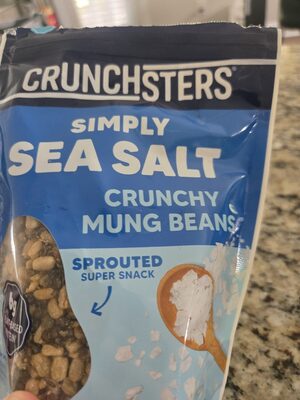
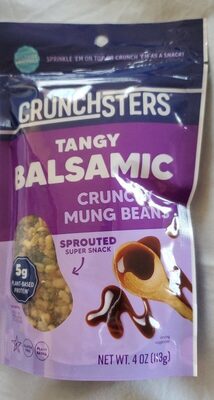
Learn more
Auto-generated content. This description was generated automatically and is pending editorial review. Inaccuracies are possible. Found a mistake? Contact us.