Canolaoil
What is Canolaoil?
Canola oil is a vegetable oil made from the seeds of the rapeseed plant. The plant was specifically bred to produce seeds with a lower erucic acid content, making the oil suitable for consumption. It is processed through crushing or solvent extraction to yield the oil.
Is Canolaoil vegan?
Canolaoil is not animal-derived. Products that contain it can still include other animal-derived ingredients, so check the full ingredient list.
Is Canolaoil gluten-free?
It does not contain gluten.
Is Canolaoil a major allergen?
Canola oil is not derived from any of the 9 major allergens.
What is Canolaoil used for?
Canola oil is a versatile cooking oil used in a wide variety of processed foods.
Is Canolaoil safe?
Canola oil is generally recognized as safe (GRAS) by the FDA.
Why it's used
Canola oil is a versatile cooking oil used in a wide variety of processed foods. Manufacturers add it for its neutral flavor, light texture, and ability to withstand high heat, making it suitable for frying, baking, and as an ingredient in dressings and sauces.
Health notes
Canola oil is generally recognized as safe (GRAS) by the FDA. It is a source of monounsaturated and polyunsaturated fats, including omega-3 fatty acids. Regulatory bodies like JECFA and EFSA have evaluated canola oil. While generally considered healthy in moderation as part of a balanced diet, some older studies raised concerns about its processing, but current scientific consensus supports its safety and benefits.
Allergen info
Canola oil is not derived from any of the 9 major allergens. It does not contain gluten.
Foods that contain Canolaoil
Compare products →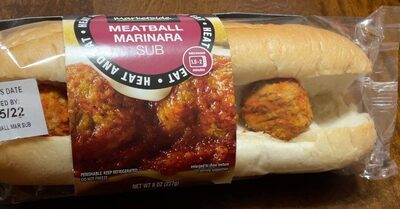 Wal-Mart Stores, Inc.
Meatball Marinara Sub, Meatball Marinara
High in sodium — 53% DV per serving
High in saturated fat — 80% DV per serving
High in cholesterol — 20% DV per serving
259kcal
11.8Protein
13.7Fat
23.5Carbs
L. J. Minor Corp.
Herb De Provence Flavor Concentrate, Herb De Provence
500kcal
0Protein
50Fat
20Carbs
Tasty Brands LLC
Anytimers Turkey Ham & Cheese Kits
High in sodium — 33% DV per serving
High in saturated fat — 40% DV per serving
High in added sugars — 20% DV per serving
300kcal
15.0Protein
14.2Fat
30.8Carbs
Cavendish Farms
Cavendish Farms Potato Patties 13.6 Kg
200kcal
1.7Protein
10Fat
25Carbs
Wal-Mart Stores, Inc.
Meatball Marinara Sub, Meatball Marinara
High in sodium — 53% DV per serving
High in saturated fat — 80% DV per serving
High in cholesterol — 20% DV per serving
259kcal
11.8Protein
13.7Fat
23.5Carbs
L. J. Minor Corp.
Herb De Provence Flavor Concentrate, Herb De Provence
500kcal
0Protein
50Fat
20Carbs
Tasty Brands LLC
Anytimers Turkey Ham & Cheese Kits
High in sodium — 33% DV per serving
High in saturated fat — 40% DV per serving
High in added sugars — 20% DV per serving
300kcal
15.0Protein
14.2Fat
30.8Carbs
Cavendish Farms
Cavendish Farms Potato Patties 13.6 Kg
200kcal
1.7Protein
10Fat
25Carbs
Learn more
Auto-generated content. This description was generated automatically and is pending editorial review. Inaccuracies are possible. Found a mistake? Contact us.