Capric Triglycerides
What is Capric Triglycerides?
Capric triglycerides are a type of fat derived from coconut or palm kernel oil. They are made by combining capric acid and caprylic acid (medium-chain fatty acids) with glycerol. This process creates a stable, clear liquid that is resistant to oxidation.
Is Capric Triglycerides vegan?
Capric Triglycerides is not animal-derived. Products that contain it can still include other animal-derived ingredients, so check the full ingredient list.
Is Capric Triglycerides gluten-free?
They do not contain gluten.
Is Capric Triglycerides a major allergen?
Capric triglycerides are not derived from any of the nine FDA major allergens.
What is Capric Triglycerides used for?
Manufacturers use capric triglycerides as an emollient and solvent in cosmetics and personal care products.
Is Capric Triglycerides safe?
In the US, capric triglycerides are generally recognized as safe (GRAS) by the FDA when used as a food ingredient.
Why it's used
Manufacturers use capric triglycerides as an emollient and solvent in cosmetics and personal care products. In food, they function as a carrier for flavors and colors, and as a component of edible oils and fats. They are often found in confectionery and baked goods.
Health notes
In the US, capric triglycerides are generally recognized as safe (GRAS) by the FDA when used as a food ingredient. They are a source of medium-chain triglycerides (MCTs), which are metabolized differently than long-chain fats. Regulatory bodies like JECFA and EFSA have evaluated similar medium-chain triglycerides, generally considering them safe for use. Evidence does not suggest adverse health effects at typical dietary intake levels.
Allergen info
Capric triglycerides are not derived from any of the nine FDA major allergens. They do not contain gluten.
Foods that contain Capric Triglycerides
Compare products →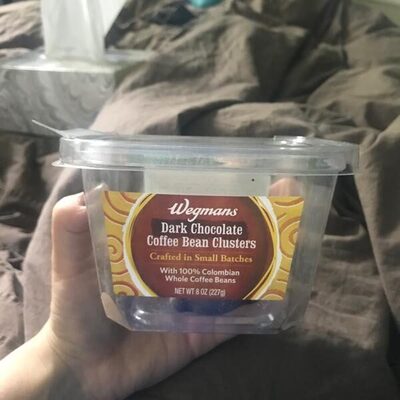
Learn more
Auto-generated content. This description was generated automatically and is pending editorial review. Inaccuracies are possible. Found a mistake? Contact us.