Caprylic Triglyceride
What is Caprylic Triglyceride?
Caprylic triglyceride is a type of fat derived from fatty acids found in coconut oil and palm kernel oil. It is made by combining caprylic acid and capric acid with glycerin.
Is Caprylic Triglyceride vegan?
Caprylic Triglyceride is not animal-derived. Products that contain it can still include other animal-derived ingredients, so check the full ingredient list.
Is Caprylic Triglyceride gluten-free?
It does not contain gluten.
Is Caprylic Triglyceride a major allergen?
Caprylic triglyceride is not derived from any of the nine FDA major allergens.
What is Caprylic Triglyceride used for?
Manufacturers use caprylic triglyceride as an emollient, solvent, and dispersing agent in foods.
Is Caprylic Triglyceride safe?
Caprylic triglyceride is generally recognized as safe (GRAS) by the FDA for use in food.
Why it's used
Manufacturers use caprylic triglyceride as an emollient, solvent, and dispersing agent in foods. It helps to blend other ingredients and improve texture, and is often found in beverages and confectionery.
Health notes
Caprylic triglyceride is generally recognized as safe (GRAS) by the FDA for use in food. It is a source of medium-chain triglycerides (MCTs), which are fatty acids that are quickly absorbed and used for energy. International bodies like JECFA have evaluated it and established acceptable daily intake levels. Evidence does not suggest adverse health effects at typical consumption levels.
Allergen info
Caprylic triglyceride is not derived from any of the nine FDA major allergens. It does not contain gluten.
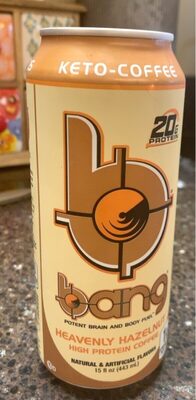
Foods that contain Caprylic Triglyceride
Compare products →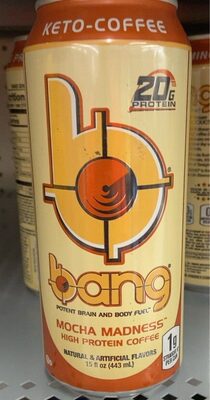


Learn more
Auto-generated content. This description was generated automatically and is pending editorial review. Inaccuracies are possible. Found a mistake? Contact us.