Caramel Color Added: Beef
What is Caramel Color Added: Beef?
Caramel color added: Beef is a food coloring made from beef. It is produced by heating beef with carbohydrates like dextrose or corn syrup, often with the addition of acids, alkalis, or sulfites to control the color. The process creates brown pigments.
Is Caramel Color Added: Beef vegan?
No. Caramel Color Added: Beef is animal-derived, so it is not vegan.
Is Caramel Color Added: Beef a major allergen?
Beef is derived from cattle.
What is Caramel Color Added: Beef used for?
Manufacturers add beef caramel color to provide a brown hue to processed foods.
Is Caramel Color Added: Beef safe?
Caramel color added: Beef is generally recognized as safe (GRAS) by the FDA when used as a food coloring.
Why it's used
Manufacturers add beef caramel color to provide a brown hue to processed foods. It is commonly found in meat products, gravies, sauces, and soups where a richer, darker color is desired to enhance visual appeal.
Health notes
Caramel color added: Beef is generally recognized as safe (GRAS) by the FDA when used as a food coloring. Regulatory bodies like JECFA and EFSA have evaluated caramel colors, but specific evaluations for beef-derived caramel color are not widely detailed. At typical consumption levels, it is not associated with adverse health effects. Some caramel colors (not specifically beef-derived) have been studied for the presence of 4-MEI, a byproduct of certain manufacturing processes, but levels in foods are generally considered safe.
Allergen info
Beef is derived from cattle. While not one of the top 9 major allergens, beef is a source of animal protein and may be a concern for individuals with specific dietary restrictions or allergies to animal products.
Foods that contain Caramel Color Added: Beef
Compare products →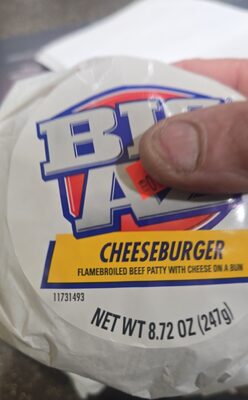
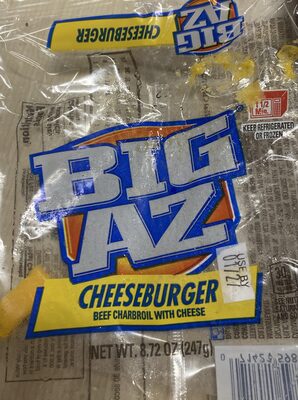
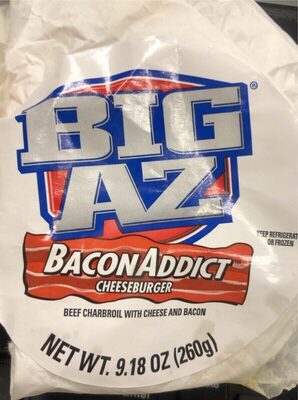
Learn more
Auto-generated content. This description was generated automatically and is pending editorial review. Inaccuracies are possible. Found a mistake? Contact us.