Caramel Color And Salt
What is Caramel Color And Salt?
Caramel color is a type of food coloring made by heating sugars, often with acids, alkalis, or sulfites. The process creates a range of brown shades, from light yellow-brown to dark brown. Salt is a mineral compound, sodium chloride, commonly used to enhance flavor.
Is Caramel Color And Salt a major allergen?
Caramel color is not derived from major allergens.
What is Caramel Color And Salt used for?
Caramel color is used to give foods a brown appearance, mimicking the color of cooked or roasted ingredients.
Is Caramel Color And Salt safe?
Caramel color is Generally Recognized As Safe (GRAS) by the FDA for use in food.
Why it's used
Caramel color is used to give foods a brown appearance, mimicking the color of cooked or roasted ingredients. Salt is a flavor enhancer and preservative. They are frequently found together in processed foods like snacks, sauces, baked goods, and confectionery.
Health notes
Caramel color is Generally Recognized As Safe (GRAS) by the FDA for use in food. Some types of caramel color, specifically Class III and IV, contain compounds like 4-MEI, which has raised concerns. However, regulatory bodies like the FDA and EFSA have reviewed these compounds and determined they are safe at typical consumption levels. JECFA has evaluated caramel colors and set acceptable daily intakes. Evidence on health effects at typical intake is mixed, with some studies suggesting potential concerns while others find no adverse effects.
Allergen info
Caramel color is not derived from major allergens. Salt is a mineral and not an allergen. Not a major allergen.
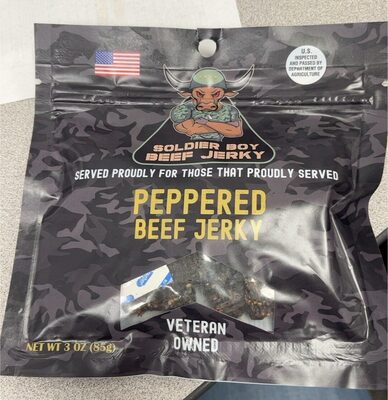
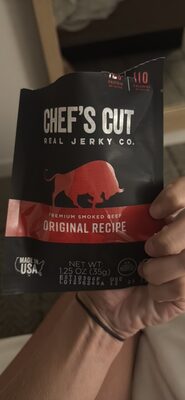
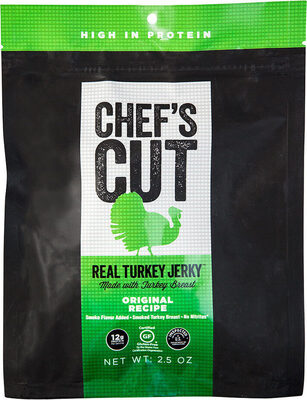
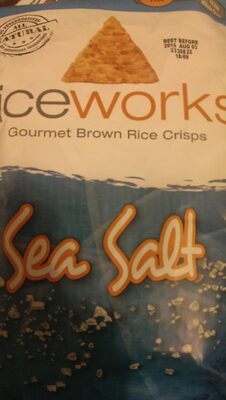
Foods that contain Caramel Color And Salt
Compare products →
Learn more
Auto-generated content. This description was generated automatically and is pending editorial review. Inaccuracies are possible. Found a mistake? Contact us.