Caramel Syrup
What is Caramel Syrup?
Caramel syrup is a liquid sweetener made by heating sugar, often with water and sometimes other ingredients like butter or cream. This process, called caramelization, creates a rich brown color and a distinct sweet, slightly bitter flavor.
Is Caramel Syrup vegan?
No. Caramel Syrup is animal-derived, so it is not vegan.
Is Caramel Syrup a major allergen?
Caramel syrup itself is not derived from one of the nine major allergens.
What is Caramel Syrup used for?
Manufacturers use caramel syrup primarily for its sweet taste and brown color.
Is Caramel Syrup safe?
Caramel syrup is generally recognized as safe (GRAS) by the FDA for use in food.
Why it's used
Manufacturers use caramel syrup primarily for its sweet taste and brown color. It's commonly found in baked goods like cakes and pastries, ice cream, and beverages to add flavor and visual appeal.
Health notes
Caramel syrup is generally recognized as safe (GRAS) by the FDA for use in food. It is primarily a source of sugar. Regulatory bodies like JECFA and EFSA have evaluated caramel colorings, which are similar in production, and have established acceptable daily intakes. Evidence regarding the health effects of high sugar intake, including from caramel syrup, is mixed, with some studies suggesting potential links to weight gain and metabolic issues, while others show no significant effects at moderate consumption levels.
Allergen info
Caramel syrup itself is not derived from one of the nine major allergens. However, if made with dairy ingredients like butter or cream, it may contain milk allergens.
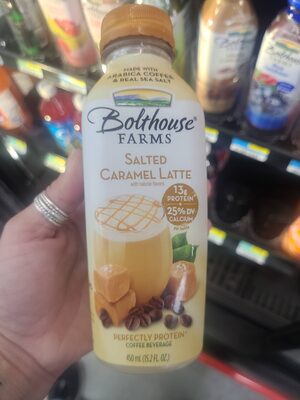
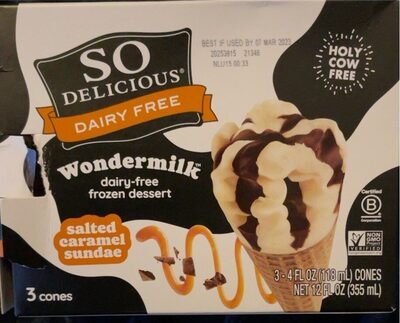
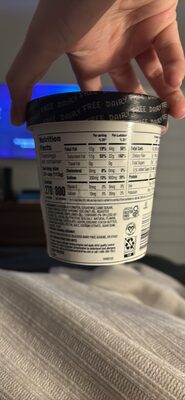
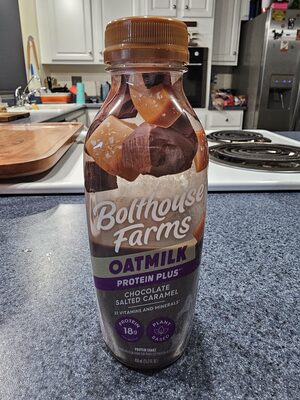
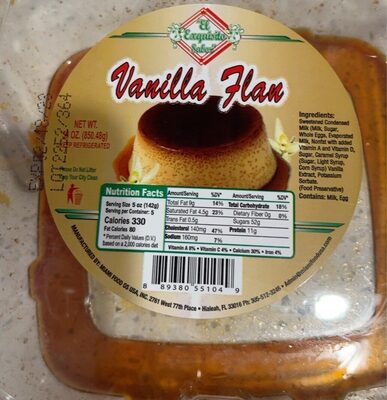
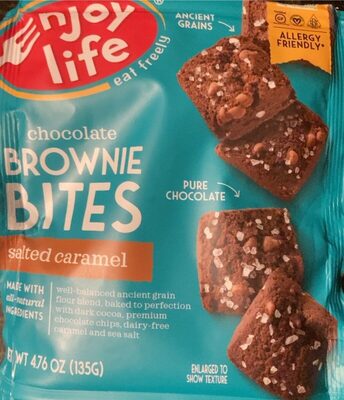
Foods that contain Caramel Syrup
Compare products →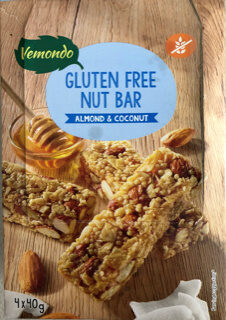
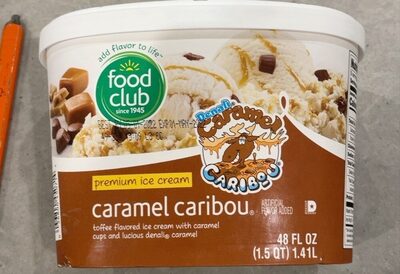
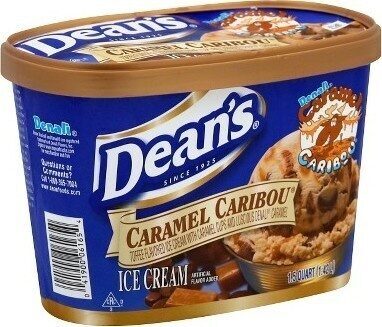

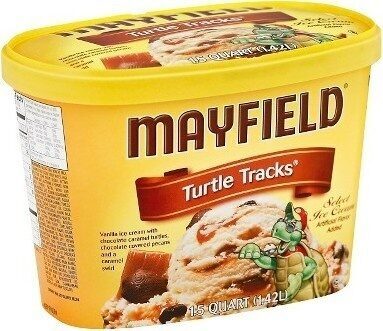







Learn more
Auto-generated content. This description was generated automatically and is pending editorial review. Inaccuracies are possible. Found a mistake? Contact us.