Carnitine L-tartrate
What is Carnitine L-tartrate?
Carnitine L-tartrate is a compound made from L-carnitine, an amino acid naturally found in the body, and tartaric acid, which is found in fruits like grapes. It is typically produced through chemical synthesis.
Is Carnitine L-tartrate gluten-free?
Carnitine L-tartrate is not derived from any of the FDA's major allergens and does not contain gluten.
What is Carnitine L-tartrate used for?
Manufacturers add carnitine L-tartrate to foods and beverages, often marketed for energy or athletic performance.
Is Carnitine L-tartrate safe?
Carnitine L-tartrate is generally recognized as safe (GRAS) by the FDA for use in food.
Why it's used
Manufacturers add carnitine L-tartrate to foods and beverages, often marketed for energy or athletic performance. It is commonly found in energy drinks, protein powders, and some diet beverages.
Health notes
Carnitine L-tartrate is generally recognized as safe (GRAS) by the FDA for use in food. L-carnitine is naturally produced by the body and also obtained from diet. While often included in products for its purported role in energy metabolism, scientific evidence for significant benefits from supplementation in healthy individuals is mixed. The Joint FAO/WHO Expert Committee on Food Additives (JECFA) has evaluated L-carnitine, but no specific ADI was set.
Allergen info
Carnitine L-tartrate is not derived from any of the FDA's major allergens and does not contain gluten.
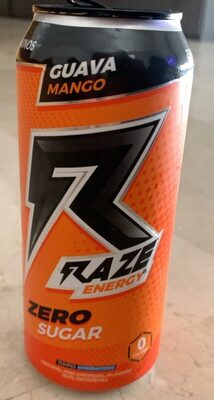
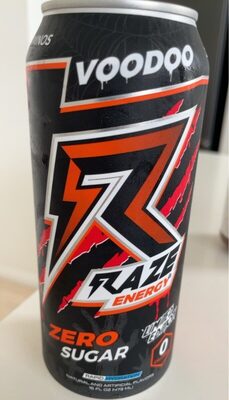
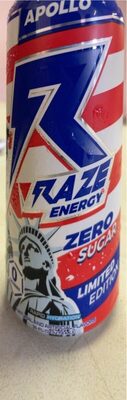
Foods that contain Carnitine L-tartrate
Compare products →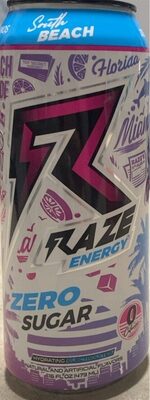

Learn more
Auto-generated content. This description was generated automatically and is pending editorial review. Inaccuracies are possible. Found a mistake? Contact us.