Carob Seed Gum
What is Carob Seed Gum?
Carob seed gum is a natural thickening and stabilizing agent derived from the seeds of the carob tree (Ceratonia siliqua), which is native to the Mediterranean region. The seeds are ground into a fine powder to produce the gum.
Is Carob Seed Gum vegan?
Carob Seed Gum is not animal-derived. Products that contain it can still include other animal-derived ingredients, so check the full ingredient list.
Is Carob Seed Gum gluten-free?
Carob seed gum is not derived from any of the FDA's major allergens and does not contain gluten.
What is Carob Seed Gum used for?
Manufacturers use carob seed gum as a stabilizer and thickener in a variety of food products.
Is Carob Seed Gum safe?
In the United States, carob seed gum is generally recognized as safe (GRAS) by the FDA for use as a food additive.
Why it's used
Manufacturers use carob seed gum as a stabilizer and thickener in a variety of food products. It helps improve texture and prevent ingredients from separating, commonly found in baked goods, dairy products, and sauces.
Health notes
In the United States, carob seed gum is generally recognized as safe (GRAS) by the FDA for use as a food additive. International bodies like JECFA and EFSA have also evaluated it. At typical consumption levels, it is not associated with adverse health effects. Research has explored its potential as a source of dietary fiber.
Allergen info
Carob seed gum is not derived from any of the FDA's major allergens and does not contain gluten.
Foods that contain Carob Seed Gum
Compare products →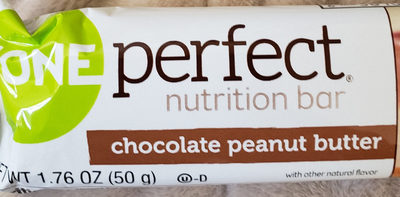 Zoneperfect
Nutrition Bar
High in saturated fat — 20% DV per serving
420kcal
28Protein
14Fat
48Carbs
Learn more
Auto-generated content. This description was generated automatically and is pending editorial review. Inaccuracies are possible. Found a mistake? Contact us.