Carotene
What is Carotene?
Carotene is a group of naturally occurring pigments found in plants, algae, and some bacteria. Beta-carotene, the most common form, is abundant in orange and yellow fruits and vegetables like carrots and sweet potatoes. It can be extracted from natural sources or synthesized.
Is Carotene vegan?
Carotene is not animal-derived. Products that contain it can still include other animal-derived ingredients, so check the full ingredient list.
Is Carotene gluten-free?
It does not contain gluten.
Is Carotene a major allergen?
Carotene is not derived from any of the nine FDA major allergens.
What is Carotene used for?
Carotene is primarily used as a natural food colorant, providing yellow to orange hues.
Is Carotene safe?
In the US, beta-carotene is generally recognized as safe (GRAS) by the FDA when used as a food ingredient.
Why it's used
Carotene is primarily used as a natural food colorant, providing yellow to orange hues. It is found in a wide variety of foods, including baked goods, dairy products, beverages, and processed snacks, to enhance their visual appeal.
Health notes
In the US, beta-carotene is generally recognized as safe (GRAS) by the FDA when used as a food ingredient. It is also a precursor to Vitamin A, essential for vision, immune function, and skin health. International bodies like JECFA have evaluated carotenes. At typical dietary levels, it is considered safe. High-dose supplements of beta-carotene have been linked to increased lung cancer risk in smokers, but this is not typically a concern with food sources.
Allergen info
Carotene is not derived from any of the nine FDA major allergens. It does not contain gluten.
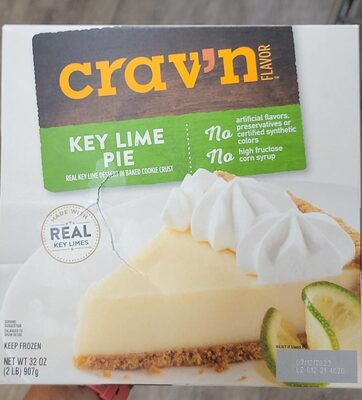
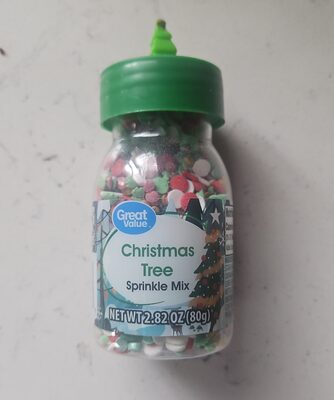
Foods that contain Carotene
Compare products →










Learn more
Auto-generated content. This description was generated automatically and is pending editorial review. Inaccuracies are possible. Found a mistake? Contact us.