Carrageenan And Potassium Sorbate
Auto-generated content. This description was generated automatically and is pending editorial review. Inaccuracies are possible. Found a mistake? Contact us.
What it is
Carrageenan is a red seaweed extract used as a food additive. It is processed from various species of red algae, commonly known as Irish moss. Potassium sorbate is a salt of sorbic acid, a naturally occurring compound, and is synthesized for food use.
Why it's used
Carrageenan acts as a thickener, stabilizer, and emulsifier, giving foods a desirable texture and preventing separation. Potassium sorbate is a preservative that inhibits the growth of mold, yeast, and bacteria, extending shelf life. They are often found in dairy products, processed meats, baked goods, and sauces.
Health notes
Both carrageenan and potassium sorbate are approved food additives in the U.S. FDA lists carrageenan as Generally Recognized As Safe (GRAS) for use as a food additive. Potassium sorbate is approved by the FDA as a direct food substance affirmed as GRAS. JECFA and EFSA have evaluated both substances. While generally considered safe at typical consumption levels, some studies have raised questions about potential digestive issues with high carrageenan intake, though regulatory bodies consider it safe for consumption.
Allergen info
Not a major allergen. Carrageenan is derived from seaweed, and potassium sorbate is synthesized.
Products containing Carrageenan And Potassium Sorbate
Compare products →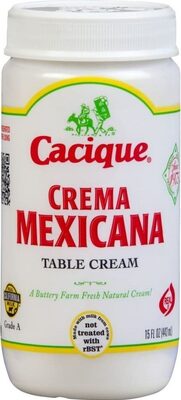 Cacique Inc.
Crema Mexicana Table Cream, Crema Mexicana
200kcal
0Protein
16.7Fat
6.7Carbs
Cacique Inc.
Crema Mexicana Table Cream, Crema Mexicana
200kcal
0Protein
16.7Fat
6.7Carbs