Cashewnuts
What is Cashewnuts?
Cashews are kidney-shaped seeds that grow at the bottom of the cashew apple, a fruit native to northeastern Brazil. After harvesting, the cashew seed is separated from the apple and then roasted or steamed to remove its caustic shell oil. The edible kernel inside is then dried and processed.
Is Cashewnuts vegan?
Cashewnuts is not animal-derived. Products that contain it can still include other animal-derived ingredients, so check the full ingredient list.
Is Cashewnuts a major allergen?
Cashews are a tree nut, which is one of the 9 major allergens identified by the FDA.
What is Cashewnuts used for?
Cashews are often used whole or chopped in savory dishes like stir-fries and curries, or ground into a paste for sauces and dips.
Is Cashewnuts safe?
Cashews are a source of healthy fats, protein, and minerals.
Why it's used
Cashews are often used whole or chopped in savory dishes like stir-fries and curries, or ground into a paste for sauces and dips. They add a rich, creamy texture and nutty flavor to foods. Cashews are also used to make dairy-free alternatives like cashew milk and cheese.
Health notes
Cashews are a source of healthy fats, protein, and minerals. They are generally recognized as safe (GRAS) by the FDA for use in food. JECFA has evaluated cashews and found them to be safe for consumption. While generally healthy, excessive intake of any nut can contribute to high calorie consumption.
Allergen info
Cashews are a tree nut, which is one of the 9 major allergens identified by the FDA. People with tree nut allergies should avoid cashews.
Foods that contain Cashewnuts
Compare products →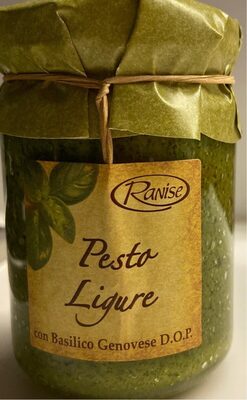 Ranise Agroalimentare Srl
Ligurian Basil Pesto
High in sodium — 29% DV per serving
High in saturated fat — 40% DV per serving
573kcal
6.7Protein
60Fat
6.7Carbs
SANJEEV KAPOOR'S KHAZANA
Chicken Tikka Masala Spice Mix
High in sodium — 47% DV per serving
440kcal
8Protein
40Fat
20Carbs
Axiom Apparel Group Inc.
Kitchens Of India, Kashmiri Vegetable Biryani
High in sodium — 38% DV per serving
High in saturated fat — 25% DV per serving
207kcal
3.6Protein
8.6Fat
27.9Carbs
Ranise Agroalimentare Srl
Ligurian Basil Pesto
High in sodium — 29% DV per serving
High in saturated fat — 40% DV per serving
573kcal
6.7Protein
60Fat
6.7Carbs
SANJEEV KAPOOR'S KHAZANA
Chicken Tikka Masala Spice Mix
High in sodium — 47% DV per serving
440kcal
8Protein
40Fat
20Carbs
Axiom Apparel Group Inc.
Kitchens Of India, Kashmiri Vegetable Biryani
High in sodium — 38% DV per serving
High in saturated fat — 25% DV per serving
207kcal
3.6Protein
8.6Fat
27.9Carbs
Learn more
Auto-generated content. This description was generated automatically and is pending editorial review. Inaccuracies are possible. Found a mistake? Contact us.