Cassava Root
What is Cassava Root?
Cassava root, also known as yuca or manioc, is a starchy root vegetable native to South America. It is a staple food in many tropical regions worldwide. The root is typically peeled, cooked, and can be processed into flour, starch, or tapioca.
Is Cassava Root vegan?
Cassava Root is not animal-derived. Products that contain it can still include other animal-derived ingredients, so check the full ingredient list.
Is Cassava Root gluten-free?
It is naturally gluten-free.
Is Cassava Root a major allergen?
Cassava is not one of the nine major allergens identified by the FDA.
What is Cassava Root used for?
Cassava flour and starch are used in gluten-free baking as a substitute for wheat flour, providing a lighter texture.
Is Cassava Root safe?
Cassava is a good source of carbohydrates and some nutrients.
Why it's used
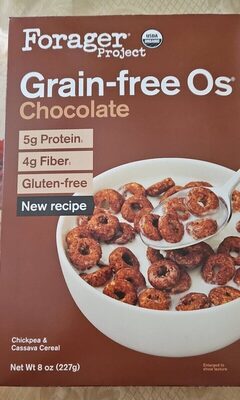
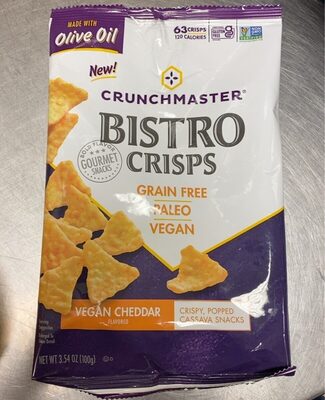
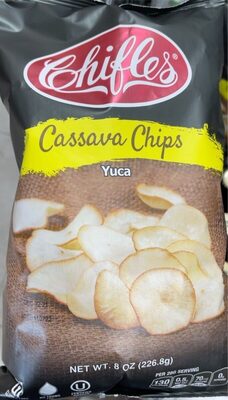
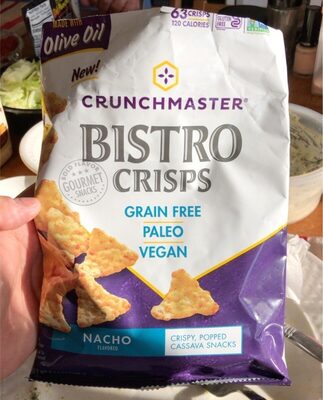
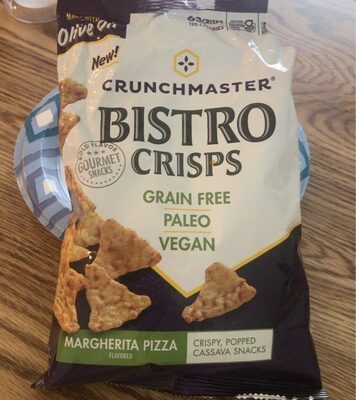
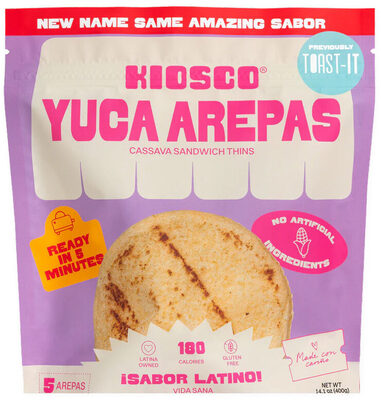
Cassava flour and starch are used in gluten-free baking as a substitute for wheat flour, providing a lighter texture. Cassava starch can also act as a thickener in sauces, gravies, and desserts. It is commonly found in baked goods, snacks like chips and pretzels, and plant-based dairy alternatives.
Health notes
Cassava is a good source of carbohydrates and some nutrients. Raw cassava contains compounds that can release cyanide, but proper preparation, including cooking, significantly reduces this risk. The FDA considers cassava and its derivatives, like tapioca starch, to be generally recognized as safe (GRAS) for use in food. International bodies like JECFA have evaluated cassava products.
Allergen info
Cassava is not one of the nine major allergens identified by the FDA. It is naturally gluten-free.
Foods that contain Cassava Root
Compare products →
Auto-generated content. This description was generated automatically and is pending editorial review. Inaccuracies are possible. Found a mistake? Contact us.