Caster Sugar
What is Caster Sugar?
Caster sugar is a fine-grained white sugar, typically made from sugarcane or sugar beets. The sugar crystals are smaller than granulated sugar but larger than powdered sugar. This finer texture allows it to dissolve more quickly and evenly in batters and meringues.
Is Caster Sugar vegan?
Caster Sugar is not animal-derived. Products that contain it can still include other animal-derived ingredients, so check the full ingredient list.
Is Caster Sugar gluten-free?
It does not contain gluten.
Is Caster Sugar a major allergen?
Caster sugar is not derived from any of the nine FDA major allergens.
What is Caster Sugar used for?
Manufacturers use caster sugar primarily as a sweetener.
Is Caster Sugar safe?
In the U.S., caster sugar is considered a common food ingredient and is generally recognized as safe (GRAS) by the FDA when used as intended.
Why it's used
Manufacturers use caster sugar primarily as a sweetener. Its fine grain makes it ideal for baked goods like cakes, cookies, and meringues, where it helps create a smoother texture and lighter crumb. It is also used in candies and frostings.
Health notes
In the U.S., caster sugar is considered a common food ingredient and is generally recognized as safe (GRAS) by the FDA when used as intended. Like other sugars, excessive consumption can contribute to health issues such as weight gain and dental cavities. International bodies like JECFA have evaluated sugars and established acceptable daily intakes, though specific numeric limits are not provided here.
Allergen info
Caster sugar is not derived from any of the nine FDA major allergens. It does not contain gluten.
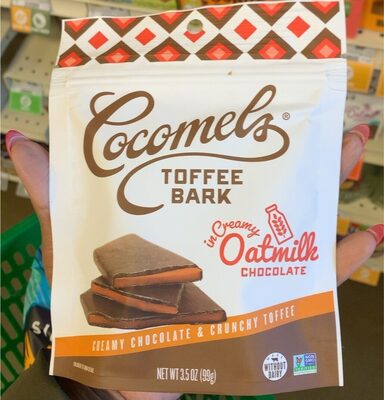
Foods that contain Caster Sugar
Compare products →
Learn more
Auto-generated content. This description was generated automatically and is pending editorial review. Inaccuracies are possible. Found a mistake? Contact us.