Cellulose And Xanthan Gums
Auto-generated content. This description was generated automatically and is pending editorial review. Inaccuracies are possible. Found a mistake? Contact us.
What it is
Cellulose gums, like carboxymethylcellulose (CMC), are made from cellulose, a natural fiber found in plants. Xanthan gum is produced by fermenting sugars with a specific bacteria. Both are water-soluble and used to improve the texture and consistency of foods.
Why it's used
These gums are used as thickeners and stabilizers in a wide variety of foods. They help prevent ingredients from separating and give products a smoother, more consistent texture. You can find them in sauces, dressings, baked goods, and dairy products.
Health notes
Cellulose gums and xanthan gum are generally recognized as safe (GRAS) by the FDA. They are considered dietary fibers and can contribute to digestive health. International bodies like JECFA and EFSA have evaluated these gums and found them safe for consumption. Evidence does not suggest adverse health effects at typical intake levels.
Allergen info
Not a major allergen. Cellulose is derived from plant sources, and xanthan gum is produced through bacterial fermentation, so they do not contain gluten or come from the major allergens.
Products containing Cellulose And Xanthan Gums
Compare products →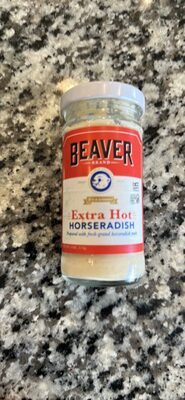 Beaverton Foods, Inc.
Extra Hot Horseradish
100kcal
0Protein
0Fat
20Carbs
Beaverton Foods, Inc.
Extra Hot Horseradish
100kcal
0Protein
0Fat
20Carbs
 Beaverton Foods, Inc.
Horseradish Grated Horseradish Roots
100kcal
0Protein
0Fat
20Carbs
Beaverton Foods, Inc.
Horseradish Grated Horseradish Roots
100kcal
0Protein
0Fat
20Carbs
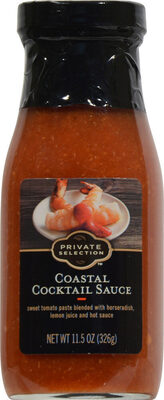 The Kroger Co.
Coastal Cocktail Sauce, Coastal Cocktail
High in sodium — 30% DV per serving
133kcal
0Protein
0Fat
30Carbs
Beaverton Foods, Inc.
Hot Kosher Horseradish And Beets
100kcal
0Protein
0Fat
20Carbs
B & R Vineyards Inc
Sauce, Garlic & Horseradish
100kcal
0Protein
0Fat
20Carbs
The Kroger Co.
Coastal Cocktail Sauce, Coastal Cocktail
High in sodium — 30% DV per serving
133kcal
0Protein
0Fat
30Carbs
Beaverton Foods, Inc.
Hot Kosher Horseradish And Beets
100kcal
0Protein
0Fat
20Carbs
B & R Vineyards Inc
Sauce, Garlic & Horseradish
100kcal
0Protein
0Fat
20Carbs