Ceremonial Grade Matcha
Auto-generated content. This description was generated automatically and is pending editorial review. Inaccuracies are possible. Found a mistake? Contact us.
What it is
Ceremonial grade matcha is a finely ground powder made from shade-grown green tea leaves, primarily from Japan. The tea plants are covered for several weeks before harvest to increase chlorophyll and L-theanine content. The leaves are then carefully processed, with stems and veins removed, before being stone-ground into a vibrant green powder.
Why it's used
Manufacturers use matcha for its distinct flavor and vibrant green color, as well as its perceived health benefits. It is commonly found in beverages like lattes, smoothies, iced teas, and energy drinks. It can also be used in baked goods, desserts, and even some savory dishes.
Health notes
Matcha is generally recognized as safe (GRAS) by the FDA for use as a food ingredient. It is a source of antioxidants, particularly catechins like EGCG, and contains caffeine and L-theanine, which may affect alertness and relaxation. JECFA has evaluated green tea extracts, but specific evaluations for ceremonial grade matcha are not widely published. While generally considered healthy in moderation, excessive caffeine intake can lead to side effects like jitters or sleep disturbances.
Allergen info
Matcha is derived from the tea plant (Camellia sinensis) and is not one of the FDA's 9 major allergens. It is also gluten-free.
Products containing Ceremonial Grade Matcha
Compare products →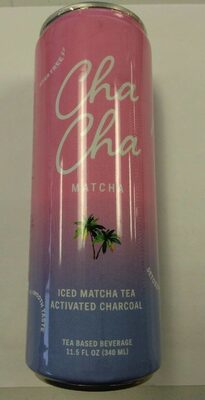 Cha Cha Beverages LLC DBA Cha Cha Matcha
Iced Matcha Tea Activated Charcoal Tea Based Beverage, Iced Matcha Tea Activated Charcoal
9kcal
0.3Protein
0Fat
2.1Carbs
Plant Life Group LLC
Mint + Matcha Hemp Infused Hydration Blend, Mint + Matcha
20kcal
0.3Protein
0Fat
4.7Carbs
Cha Cha Beverages LLC DBA Cha Cha Matcha
Iced Matcha Tea Activated Charcoal Tea Based Beverage, Iced Matcha Tea Activated Charcoal
9kcal
0.3Protein
0Fat
2.1Carbs
Plant Life Group LLC
Mint + Matcha Hemp Infused Hydration Blend, Mint + Matcha
20kcal
0.3Protein
0Fat
4.7Carbs
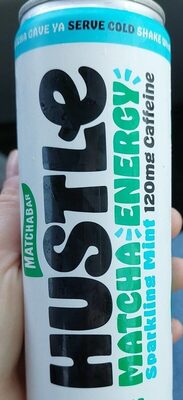 MatchaBar LLC
Sparkling Mint Hustle Matcha Energy Beverage, Mint
1kcal
0Protein
0Fat
0.3Carbs
MatchaBar LLC
Sparkling Mint Hustle Matcha Energy Beverage, Mint
1kcal
0Protein
0Fat
0.3Carbs
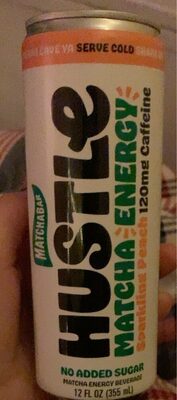 MatchaBar LLC
Sparkling Peach Hustle Matcha Energy Beverage, Sparkling Peach
11kcal
0Protein
0Fat
2.8Carbs
Cha Cha Beverages LLC DBA Cha Cha Matcha
Original Iced Matcha Tea Based Beverage, Original
0kcal
0.3Protein
0Fat
0Carbs
MatchaBar LLC
Sparkling Peach Hustle Matcha Energy Beverage, Sparkling Peach
11kcal
0Protein
0Fat
2.8Carbs
Cha Cha Beverages LLC DBA Cha Cha Matcha
Original Iced Matcha Tea Based Beverage, Original
0kcal
0.3Protein
0Fat
0Carbs
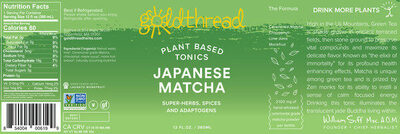 Goldthread LLC
Japanese Matcha Plant Based Tonics, Japanese Matcha
22kcal
0Protein
0Fat
5.3Carbs
Goldthread LLC
Japanese Matcha Plant Based Tonics, Japanese Matcha
22kcal
0Protein
0Fat
5.3Carbs
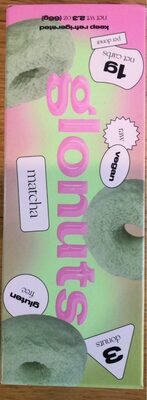 The Come Up Coffee LLC
Matcha Donuts, Matcha
High in saturated fat — 35% DV per serving
591kcal
9.1Protein
54.5Fat
22.7Carbs
The Come Up Coffee LLC
Matcha Donuts, Matcha
High in saturated fat — 35% DV per serving
591kcal
9.1Protein
54.5Fat
22.7Carbs