Monkfruit
What is Monkfruit?
Monk fruit, also known as luo han guo, is a small, round fruit native to Southeast Asia. It is typically dried and then processed to extract its natural sweetness. The sweet compounds, called mogrosides, are what give monk fruit its intense sweetness.
Is Monkfruit vegan?
Monkfruit is not animal-derived. Products that contain it can still include other animal-derived ingredients, so check the full ingredient list.
Is Monkfruit gluten-free?
It does not contain gluten.
Is Monkfruit a major allergen?
Monk fruit is not derived from any of the nine FDA major allergens.
What is Monkfruit used for?
Monk fruit extract is used as a natural, zero-calorie sweetener in a variety of food and beverage products.
Is Monkfruit safe?
Monk fruit extract is generally recognized as safe (GRAS) by the FDA for use as a sweetener.
Why it's used
Monk fruit extract is used as a natural, zero-calorie sweetener in a variety of food and beverage products. Manufacturers add it to reduce sugar and calorie content while maintaining a sweet taste. It is commonly found in yogurts, powdered drinks, and alcoholic beverages.
Health notes
Monk fruit extract is generally recognized as safe (GRAS) by the FDA for use as a sweetener. JECFA and EFSA have evaluated monk fruit extract and have not set a numerical acceptable daily intake (ADI). Research suggests that mogrosides may have antioxidant properties, but more studies are needed to confirm health benefits at typical consumption levels. There are no widespread controversies regarding its use.
Allergen info
Monk fruit is not derived from any of the nine FDA major allergens. It does not contain gluten.
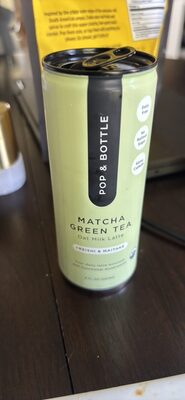
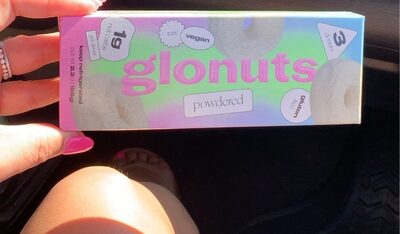
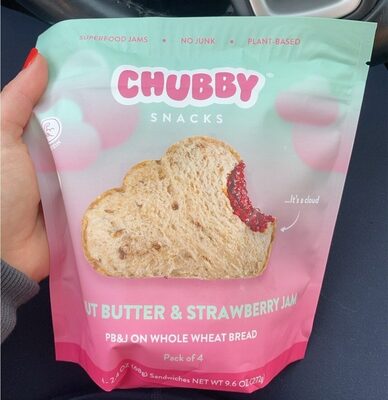
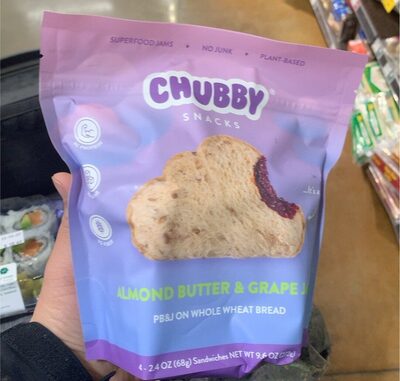
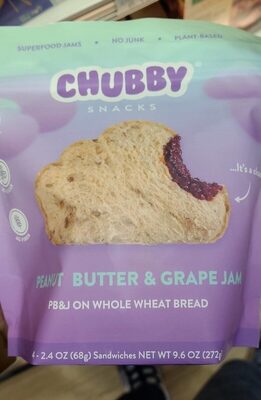
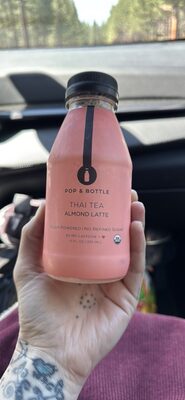
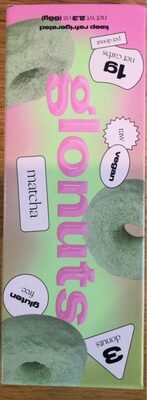
Foods that contain Monkfruit
Compare products →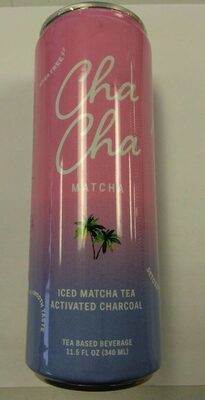
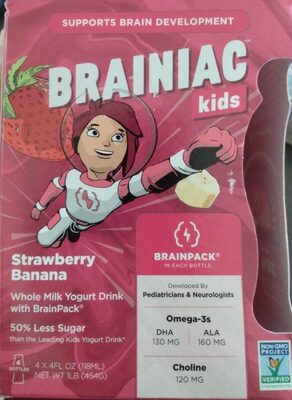
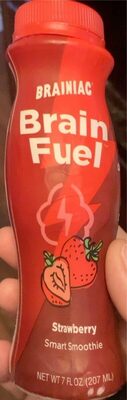
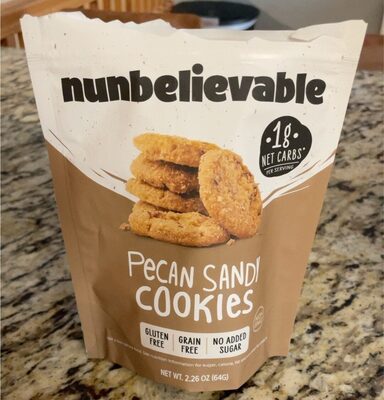

Learn more
Auto-generated content. This description was generated automatically and is pending editorial review. Inaccuracies are possible. Found a mistake? Contact us.