Champagne Wine Vinegar
What is Champagne Wine Vinegar?
Champagne wine vinegar is made from champagne wine, a type of sparkling wine. It is produced through a fermentation process where alcohol in the wine is converted into acetic acid by specific bacteria, similar to how other vinegars are made.
Is Champagne Wine Vinegar vegan?
Champagne Wine Vinegar is not animal-derived. Products that contain it can still include other animal-derived ingredients, so check the full ingredient list.
Is Champagne Wine Vinegar a major allergen?
Not a major allergen.
What is Champagne Wine Vinegar used for?
Manufacturers use champagne wine vinegar primarily for its mild, fruity flavor and acidity.
Is Champagne Wine Vinegar safe?
Champagne wine vinegar is generally recognized as safe (GRAS) by the FDA for use as a food ingredient.
Why it's used
Manufacturers use champagne wine vinegar primarily for its mild, fruity flavor and acidity. It adds a bright, tangy taste to foods without the harshness of some other vinegars. It is commonly found in salad dressings, marinades, sauces, and as a finishing touch for vegetables and fish.
Health notes
Champagne wine vinegar is generally recognized as safe (GRAS) by the FDA for use as a food ingredient. Like other vinegars, it is acidic and may help regulate blood sugar levels, though research is ongoing and evidence is mixed. The WHO and EFSA have not specifically evaluated champagne wine vinegar, but their evaluations of acetic acid generally find it safe for consumption.
Allergen info
Not a major allergen. It is derived from wine, which is made from grapes, and does not typically contain allergens.
Foods that contain Champagne Wine Vinegar
Compare products →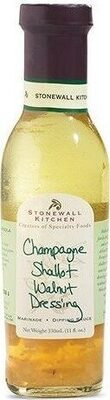
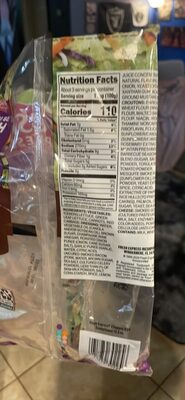
Auto-generated content. This description was generated automatically and is pending editorial review. Inaccuracies are possible. Found a mistake? Contact us.