Cheddar/parmesan Cheese
What is Cheddar/parmesan Cheese?
Cheddar and Parmesan cheeses are dairy products made from milk through a process of coagulation, curd cutting, draining, pressing, and aging. Cheddar cheese is typically a firm, off-white, or orange cheese, while Parmesan (Parmigiano-Reggiano) is a hard, granular cheese often aged for a long time.
Is Cheddar/parmesan Cheese vegan?
No. Cheddar/parmesan Cheese is animal-derived, so it is not vegan.
Is Cheddar/parmesan Cheese a major allergen?
Cheese is derived from milk, which is one of the nine major food allergens identified by the FDA.
What is Cheddar/parmesan Cheese used for?
These cheeses are used by manufacturers primarily for their distinct flavor and texture.
Is Cheddar/parmesan Cheese safe?
Cheese, as a food product, is generally recognized as safe.
Why it's used
These cheeses are used by manufacturers primarily for their distinct flavor and texture. They are often found in snack foods like popcorn, peanuts, and other savory snacks, as well as in dips and sauces, to add a rich, savory, and sometimes tangy taste.
Health notes
Cheese, as a food product, is generally recognized as safe. It is a source of protein and calcium. The fat and sodium content of cheese can vary, and consumers are advised to consider these factors as part of a balanced diet. The 2025-2030 Dietary Guidelines for Americans recommend choosing nutrient-dense foods and beverages, and dairy products like cheese can contribute to meeting nutrient needs.
Allergen info
Cheese is derived from milk, which is one of the nine major food allergens identified by the FDA.
Foods that contain Cheddar/parmesan Cheese
Compare products →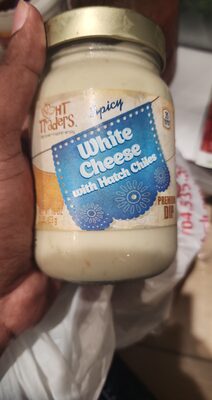 Harris-Teeter Inc.
Ht Traders, White Cheese Premium Dip With Hatch Chilies, Spicy
94kcal
0Protein
7.8Fat
6.2Carbs
Harris-Teeter Inc.
Ht Traders, White Cheese Premium Dip With Hatch Chilies, Spicy
94kcal
0Protein
7.8Fat
6.2Carbs
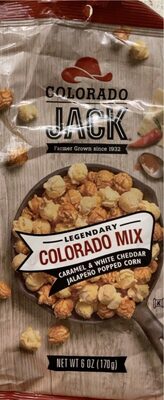 Primpins Inc
Caramel & White Cheddar Jalapeno Popped Corn Legendary Colorado Mix, Caramel & White Cheddar Jalapeno Popped Corn
High in saturated fat — 20% DV per serving
500kcal
7.1Protein
32.1Fat
53.6Carbs
Primpins Inc
Caramel & White Cheddar Jalapeno Popped Corn Legendary Colorado Mix, Caramel & White Cheddar Jalapeno Popped Corn
High in saturated fat — 20% DV per serving
500kcal
7.1Protein
32.1Fat
53.6Carbs
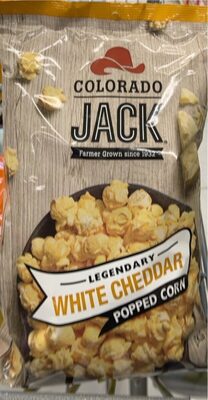 Primpins Inc
White Cheddar Legendary Popped Corn, White Cheddar
536kcal
10.7Protein
—Fat
46.4Carbs
Primpins Inc
White Cheddar Legendary Popped Corn, White Cheddar
536kcal
10.7Protein
—Fat
46.4Carbs
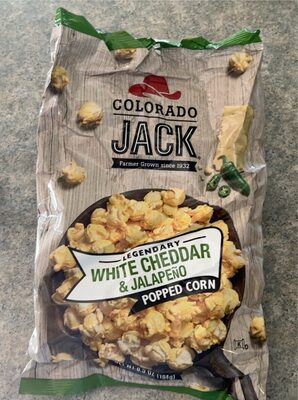 Primpins Inc
White Cheddar & Jalapeno Popped Corn, White Cheddar & Jalapeno
500kcal
10.7Protein
32.1Fat
46.4Carbs
Primpins Inc
White Cheddar & Jalapeno Popped Corn, White Cheddar & Jalapeno
500kcal
10.7Protein
32.1Fat
46.4Carbs
Learn more
Auto-generated content. This description was generated automatically and is pending editorial review. Inaccuracies are possible. Found a mistake? Contact us.