Cheese Culture Citric Acid
What is Cheese Culture Citric Acid?
Citric acid is a weak organic acid that occurs naturally in citrus fruits like lemons and limes. It is produced commercially through the fermentation of carbohydrates by microorganisms, such as Aspergillus niger. It is a common food additive used for its sour taste and preservative qualities.
Is Cheese Culture Citric Acid vegan?
Cheese Culture Citric Acid is not animal-derived. Products that contain it can still include other animal-derived ingredients, so check the full ingredient list.
Is Cheese Culture Citric Acid a major allergen?
Not a major allergen.
What is Cheese Culture Citric Acid used for?
Manufacturers add citric acid to foods and beverages primarily as an acidity regulator, flavor enhancer, and preservative.
Is Cheese Culture Citric Acid safe?
Citric acid is generally recognized as safe (GRAS) by the FDA for use in food.
Why it's used
Manufacturers add citric acid to foods and beverages primarily as an acidity regulator, flavor enhancer, and preservative. It provides a tart, sour taste and helps prevent spoilage by inhibiting microbial growth. It is commonly found in dairy products, jams, jellies, candies, and soft drinks.
Health notes
Citric acid is generally recognized as safe (GRAS) by the FDA for use in food. It is a natural component of the body's energy-producing metabolic pathways. International bodies like JECFA have evaluated citric acid and found it safe for consumption. There are no significant health controversies associated with its typical use in food.
Allergen info
Not a major allergen.
Foods that contain Cheese Culture Citric Acid
Compare products →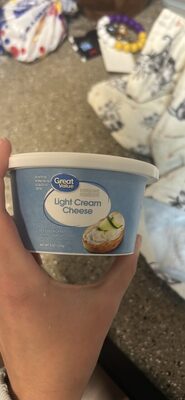

Auto-generated content. This description was generated automatically and is pending editorial review. Inaccuracies are possible. Found a mistake? Contact us.