Cheese Stabilizer
Auto-generated content. This description was generated automatically and is pending editorial review. Inaccuracies are possible. Found a mistake? Contact us.
What it is
Cheese stabilizers are typically blends of gums, starches, or proteins that help maintain the texture and consistency of cheese products. They are often derived from plant sources like seaweed (e.g., carrageenan) or seeds (e.g., guar gum), or from dairy sources (e.g., milk proteins). These ingredients are processed to create powders that can be easily incorporated into food production.
Why it's used
Manufacturers add cheese stabilizers to prevent ingredients from separating, improve meltability, and create a smoother texture in processed cheese products. They are commonly found in items like cheese sauces, spreads, shredded cheese, and frozen cheese-based meals, ensuring a consistent and appealing final product.
Health notes
Many common cheese stabilizers, such as carrageenan and locust bean gum, are Generally Recognized As Safe (GRAS) by the FDA for use in food. Regulatory bodies like the Joint FAO/WHO Expert Committee on Food Additives (JECFA) and the European Food Safety Authority (EFSA) have evaluated these substances. While generally considered safe at typical consumption levels, some studies have explored potential digestive effects of certain gums at very high doses, though evidence is mixed and not conclusive for typical dietary intake.
Allergen info
Cheese stabilizers are not typically derived from the major allergens. However, if derived from dairy sources like milk proteins, they would not be considered vegan-safe. Gluten is not typically present unless cross-contamination occurs during manufacturing.
Products containing Cheese Stabilizer
Compare products →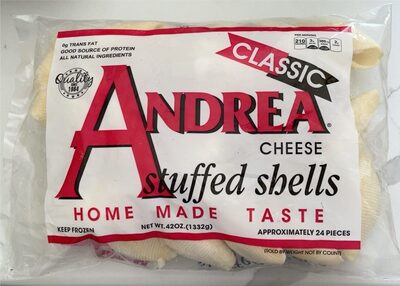 Savignano Foods Corp
Classic Cheese Stuffed Shells, Cheese
150kcal
6.4Protein
2.9Fat
15.7Carbs
Savignano Foods Corp
Lobster Ravioli, Lobster
186kcal
8.8Protein
2.2Fat
34.5Carbs
Savignano Foods Corp
Lobster Ravioli, Lobster
187kcal
8.9Protein
2.0Fat
34.1Carbs
Savignano Foods Corp
Classic Large Round Cheese Ravioli
187kcal
8.9Protein
3.7Fat
29.3Carbs
Savignano Foods Corp
Classic Bite Size Cheese Ravioli
194kcal
9.7Protein
1.4Fat
36.1Carbs
Savignano Foods Corp
Classic Cheese Stuffed Shells, Cheese
150kcal
6.4Protein
2.9Fat
15.7Carbs
Savignano Foods Corp
Lobster Ravioli, Lobster
186kcal
8.8Protein
2.2Fat
34.5Carbs
Savignano Foods Corp
Lobster Ravioli, Lobster
187kcal
8.9Protein
2.0Fat
34.1Carbs
Savignano Foods Corp
Classic Large Round Cheese Ravioli
187kcal
8.9Protein
3.7Fat
29.3Carbs
Savignano Foods Corp
Classic Bite Size Cheese Ravioli
194kcal
9.7Protein
1.4Fat
36.1Carbs
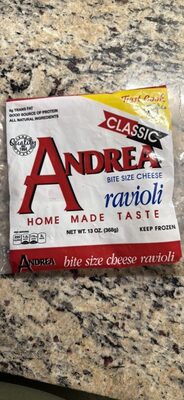 Savignano Foods Corp
Classic Bite Size Cheese Ravioli, Cheese
194kcal
9.7Protein
1.4Fat
36.1Carbs
Savignano Foods Corp
Six Cheese Ravioli, Ricotta; Romano; Asiago; Parmigiano; Mozzarella; Cheddar
211kcal
8.9Protein
4.1Fat
33.3Carbs
Savignano Foods Corp
Classic Bite Size Cheese Ravioli, Cheese
194kcal
9.7Protein
1.4Fat
36.1Carbs
Savignano Foods Corp
Six Cheese Ravioli, Ricotta; Romano; Asiago; Parmigiano; Mozzarella; Cheddar
211kcal
8.9Protein
4.1Fat
33.3Carbs
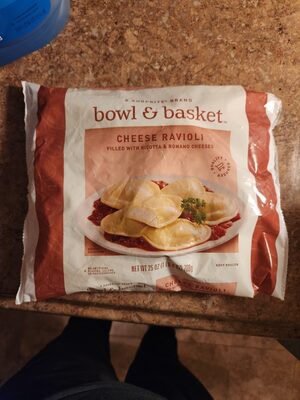 Wakefern Food Corporation
Cheese Ravioli Filled With Ricotta & Romano Cheeses, Cheese
171kcal
8.9Protein
3.7Fat
29.3Carbs
Wakefern Food Corporation
Stuffed Shells Filled With Ricotta & Romano Cheeses, Ricotta & Romano Cheeses
150kcal
6.4Protein
2.9Fat
15.7Carbs
Wakefern Food Corporation
Cheese Ravioli Filled With Ricotta & Romano Cheeses, Cheese
171kcal
8.9Protein
3.7Fat
29.3Carbs
Wakefern Food Corporation
Stuffed Shells Filled With Ricotta & Romano Cheeses, Ricotta & Romano Cheeses
150kcal
6.4Protein
2.9Fat
15.7Carbs
 Savignano Foods Corp
Classic Large Round Cheese Ravioli
187kcal
8.9Protein
3.7Fat
29.3Carbs
Savignano Foods Corp
Classic Large Round Cheese Ravioli
187kcal
8.9Protein
3.7Fat
29.3Carbs