Cheese Whey Solids
What is Cheese Whey Solids?
Cheese whey solids are the dried components of whey, a liquid byproduct of cheesemaking. Whey is the watery part of milk that separates from the curds during the cheesemaking process. This liquid is then filtered, concentrated, and dried to create a powder.
Is Cheese Whey Solids vegan?
No. Cheese Whey Solids is animal-derived, so it is not vegan.
Is Cheese Whey Solids gluten-free?
They are not a source of gluten.
Is Cheese Whey Solids a major allergen?
Cheese whey solids are derived from milk, which is one of the 9 FDA major allergens.
What is Cheese Whey Solids used for?
Manufacturers add cheese whey solids for their flavor, browning capabilities, and to improve texture in a variety of foods.
Is Cheese Whey Solids safe?
Cheese whey solids are generally recognized as safe (GRAS) by the FDA.
Why it's used
Manufacturers add cheese whey solids for their flavor, browning capabilities, and to improve texture in a variety of foods. They are often used in baked goods, processed meats, soups, sauces, and dairy-based products to add richness and a slightly sweet, cheesy note.
Health notes
Cheese whey solids are generally recognized as safe (GRAS) by the FDA. They are a source of protein and lactose. International bodies like JECFA and EFSA have evaluated whey proteins and lactose, generally finding them safe for consumption. No significant health controversies are associated with typical intake levels.
Allergen info
Cheese whey solids are derived from milk, which is one of the 9 FDA major allergens. They are not a source of gluten.
Foods that contain Cheese Whey Solids
Compare products →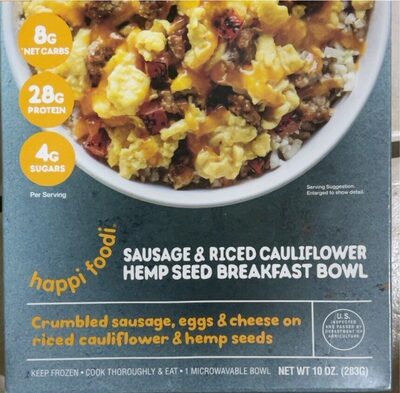 WaffleWaffle, LLC.
Sausage & Riced Cauliflower Hemp Seed Breakfast Bowl, Sausage & Riced Cauliflower Hemp Seed
High in sodium — 47% DV per serving
High in saturated fat — 90% DV per serving
High in cholesterol — 104% DV per serving
212kcal
9.9Protein
17.0Fat
3.5Carbs
Quaker Maid Meats, Inc.
Italian-Style Gluten Free Fully Cooked Premium Prima Familia Meatballs, Italian-Style
High in sodium — 24% DV per serving
High in saturated fat — 25% DV per serving
High in cholesterol — 20% DV per serving
224kcal
17.6Protein
15.3Fat
4.7Carbs
Quaker Maid Meats, Inc.
Italian-Style Gluten Free Fully Cooked Premium Prima Familia Meatballs, Italian-Style
High in sodium — 24% DV per serving
High in saturated fat — 25% DV per serving
High in cholesterol — 20% DV per serving
224kcal
17.6Protein
15.3Fat
4.7Carbs
WaffleWaffle, LLC.
Sausage & Riced Cauliflower Hemp Seed Breakfast Bowl, Sausage & Riced Cauliflower Hemp Seed
High in sodium — 47% DV per serving
High in saturated fat — 90% DV per serving
High in cholesterol — 104% DV per serving
212kcal
9.9Protein
17.0Fat
3.5Carbs
Quaker Maid Meats, Inc.
Italian-Style Gluten Free Fully Cooked Premium Prima Familia Meatballs, Italian-Style
High in sodium — 24% DV per serving
High in saturated fat — 25% DV per serving
High in cholesterol — 20% DV per serving
224kcal
17.6Protein
15.3Fat
4.7Carbs
Quaker Maid Meats, Inc.
Italian-Style Gluten Free Fully Cooked Premium Prima Familia Meatballs, Italian-Style
High in sodium — 24% DV per serving
High in saturated fat — 25% DV per serving
High in cholesterol — 20% DV per serving
224kcal
17.6Protein
15.3Fat
4.7Carbs
Learn more
Auto-generated content. This description was generated automatically and is pending editorial review. Inaccuracies are possible. Found a mistake? Contact us.